
Knowledge pathways
Stakeholder-tailored knowledge pathways - browse through diverse forest restoration topics created from your perspective. Choose the pathway closest to your interests and dive in.

Landowners / Practitioners
A practical pathway for restoring and managing your forest for resilience and biodiversity.


Planners / Implementers
Your guide to planning, restoring and managing large, resilient, and multifunctional forest landscapes.

Policy Actors
Your guide to enable and sustain multifunctional forest landscapes that deliver long-term social and ecological value.

Funders / Investors
Synthesised knowledge for you to guide smart, impactful investment in forest landscapes that build resilience and generate shared returns.
The heart of the Knowlege Gateway: navigate through hundreds of stories, publications, tools, educational materials and good practices both from a divulgative and academic perspective.
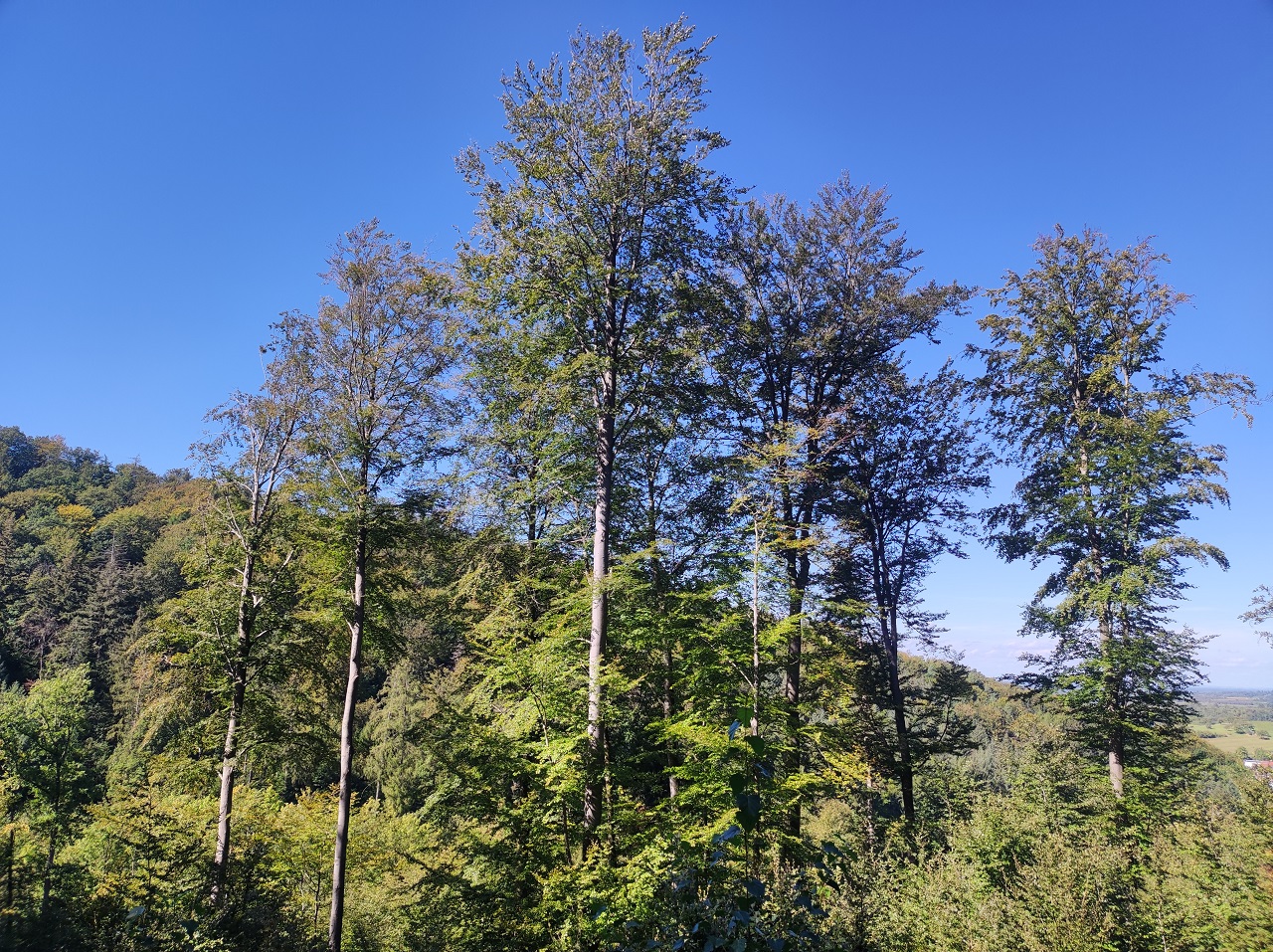
Effects of habitat tree retention on adjacent advance regeneration in continuous-cover forests in Central Europe
Publications
Habitat trees are retained in managed forests to provide important habitats and enhance biodiversity. This new study examines how habitat tree retention affects the height, basal area and species composition of advance regeneration in continuous-cover forests, which is important for managers aiming to balance biodiversity conservation and timber production objectives.
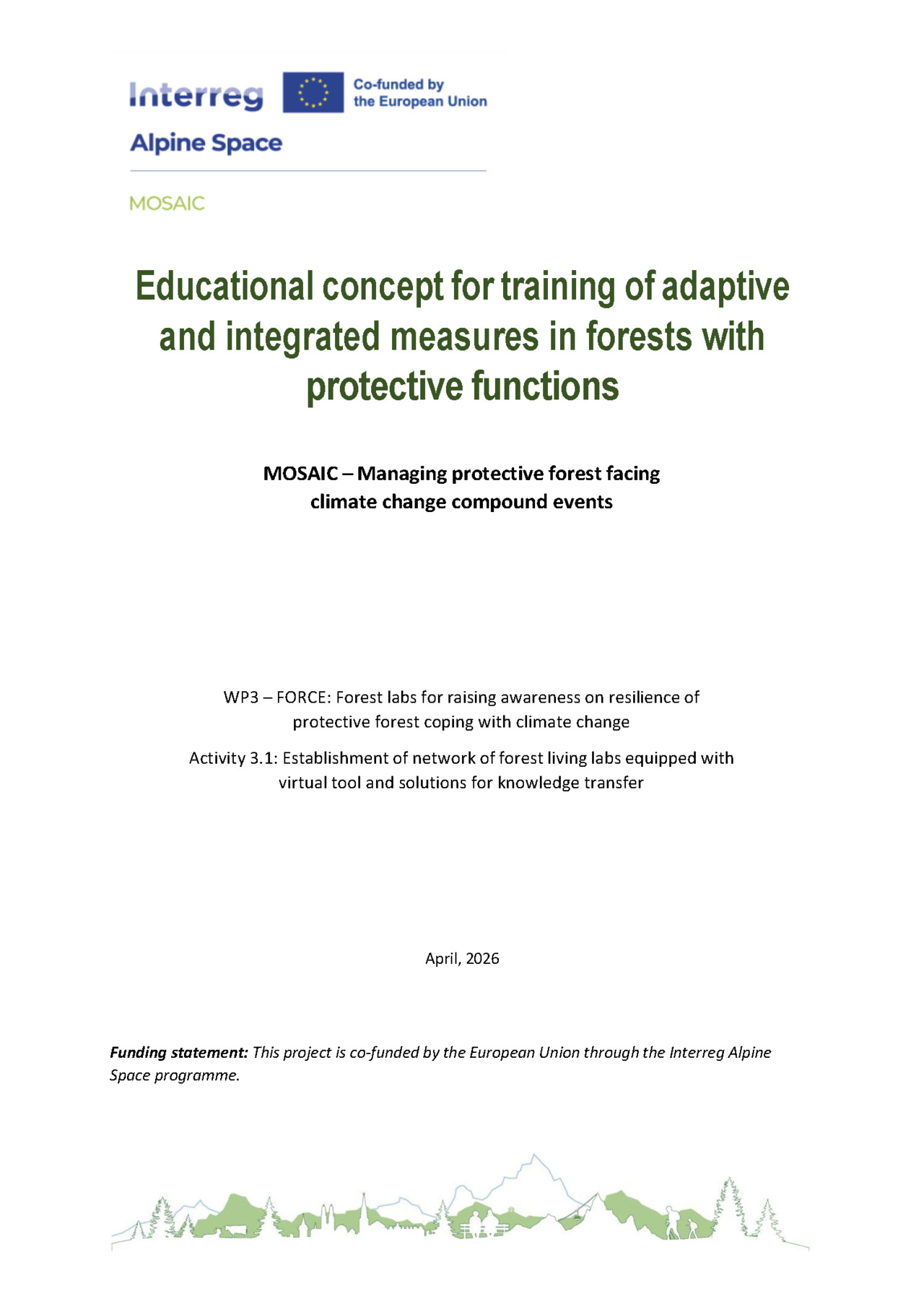
Educational concept for training of adaptive and integrated measures in forests with protective functions
Publications
This report presents the educational concept developed under the MOSAIC project to support training in adaptive management of protective forests in the Alpine region. The concept combines Forest Living Labs, marteloscope training plots and the I+Trainer digital application to help forestry professionals assess and improve forest resilience to climate-related hazards. It introduces key indicators and indexes for evaluating protective functions against rockfall, avalanches, landslides and erosion, while providing practical silvicultural and biotechnical management measures. The document also outlines a training curriculum based on field exercises, simulations and collaborative learning, offering a practical framework for capacity building and climate-resilient protective forest management.
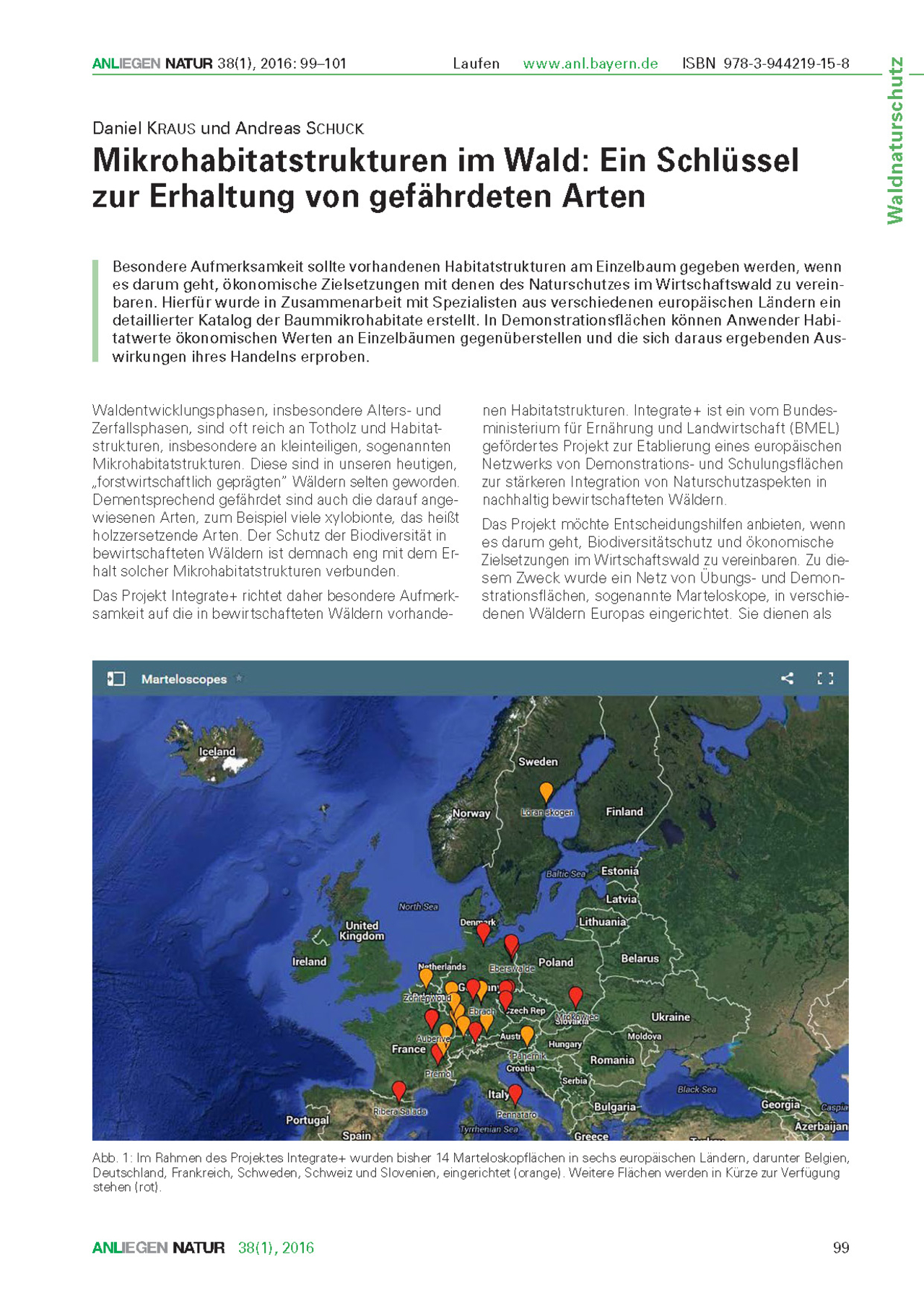
Mikrohabitatstrukturen im Wald: Ein Schlüssel zur Erhaltung von gefährdeten Arten
Publications
Der Artikel beschreibt die Bedeutung von Baummikrohabitaten für den Erhalt der Biodiversität in bewirtschafteten Wäldern. Im Mittelpunkt steht das europäische Projekt Integrate+, das Marteloskope und digitale Werkzeuge nutzt, um die Auswirkungen forstlicher Entscheidungen auf Natur- und Wirtschaftswerte sichtbar zu machen. Vorgestellt wird zudem ein standardisierter Katalog von Baummikrohabitaten, der die Erfassung und Bewertung von Strukturen wie Höhlen, Totholz, Rissen oder Pilzvorkommen ermöglicht. Die Publikation zeigt, wie Habitatbäume und Mikrohabitate zum Schutz gefährdeter Arten beitragen und Naturschutzaspekte besser in die nachhaltige Waldbewirtschaftung integriert werden können.
Restoration Projects Marketplace
Explore the Restoration Marketplace: Its mission is to help match nature positive projects with potential funders.
Go to Marketplace