

Soil Restoration and Monitoring Guidelines
1.1 Importance of conserving forests and avoiding forest degradation
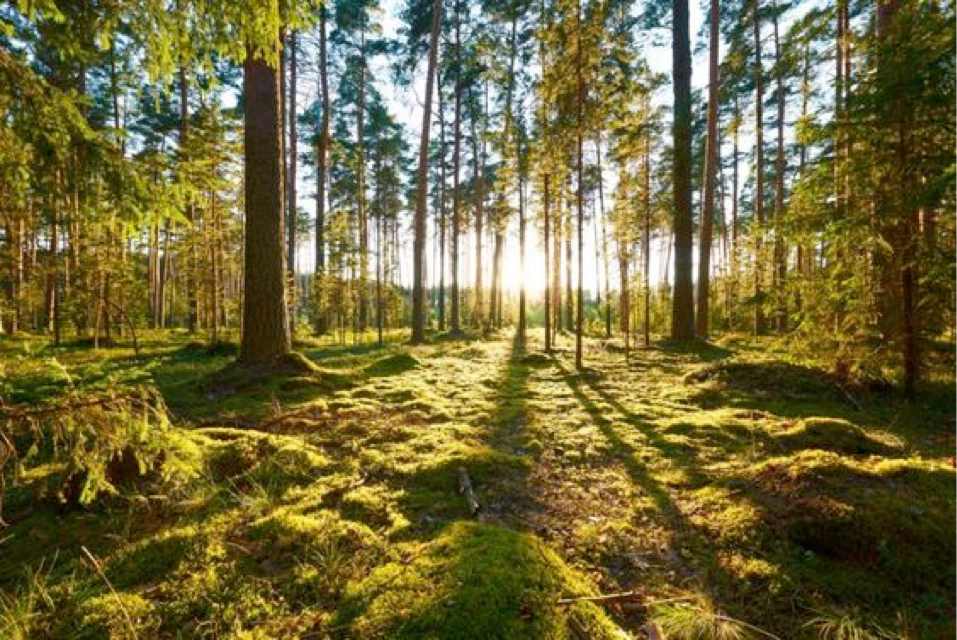
Forests cover approximately 31% of the Earth’s land surface, support the livelihoods of millions, and harbor the majority of terrestrial biodiversity. Healthy forests provide a wide range of ecological, economic, and social benefits that sustain more than 8 billion people (De Groot et al., 2002; Jenkins & Schaap, 2018).
Among these many ecosystem services, forests play a crucial role in climate mitigation by capturing carbon dioxide from the atmosphere and storing it in living and dead biomass both above and belowground (Jenkins & Schaap, 2018; Whitehead, 2011). Forest soils, in particular, are the largest terrestrial reservoir of organic carbon (European Commission, 2011; FAO, 2020) with European forest soils estimated to store between 1.5 (EC/UN-ECE et al., 2003) and 2.5 (De Vos et al., 2015) times more carbon than trees themselves. Most of this carbon is stored as organic matter in the forest floor and mineral soil. Maintaining healthy soils is essential for sustaining healthy forest ecosystems. But what is soil health? Soil health is defined as ‘the continued capacity of soil to function as a vital living ecosystem that sustains plants, animals, and humans” (U.S. Department of Agriculture, 2012). Despite their importance, forests worldwide are under increasing pressure, with global forest area in decline and signs of widespread degradation, including increased defoliation, dieback, and loss of forest-associated biodiversity (FAO, 2022; IPBES et al., 2019). About 3% of European forests are damaged and as forest health deteriorates, so does its capacity to provide ecosystem services; degraded forests may even shift from being carbon sinks to carbon sources (FOREST EUROPE, 2020). Forest degradation is intrinsically linked to soil degradation. Without healthy soils, forests cannot perform essential ecological functions, from carbon storage to biodiversity support. For this reason, forest restoration can never be considered in isolation from forest soil health and forest soil restoration. In this context of increasing pressures, the conservation of existing forests and the maintenance of their habitats in a good state of conservation must be the top priority: preserving forests is a crucial first step in maintaining ecosystem stability, mitigating climate change and safeguarding biodiversity (Pawar & Rothkar, 2015). Moreover, protecting intact forest ecosystems is far more feasible, effective and cost efficient than trying to restore degraded ones.