

Soil Restoration and Monitoring Guidelines
1.3 Importance of integrating soil health into forest restoration
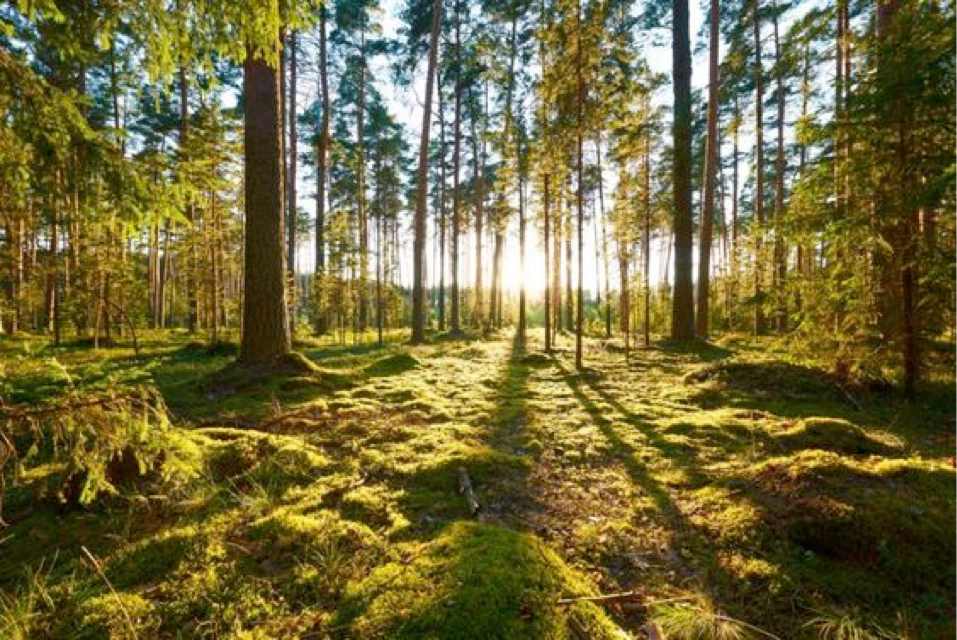
When soil conservation failed and soils are degraded as a part of overall forest degradation or as the prime cause, soil restoration is essential (Maes et al., 2023). It is clear that, forest-and soil restoration are deeply interconnected, as soil health directly influences forest recovery and long-term ecosystem stability (Raupp et al., 2024).
Restored forests contribute to organic matter accumulation, soil stability and improved nutrient cycling, leading to an enhanced carbon sequestration, biodiversity conservation, and climate resilience. Conversely, when soils are degraded forest recovery can be hindered (Jenkins & Schaap, 2018; Jiba et al., 2024; Page-Dumroese et al., 2021; Powers et al., 2015). Such integration is also essential within restoration frameworks. In recent years, there has been a surge in policies aimed at forest and soil restoration (Cliquet et al., 2022; Mansuy et al., 2022). One prominent example is the European Green Deal, a strategic initiative designed to make Europe climate-neutral by 2050. As part of this initiative, the Nature Restoration Law establishes legally binding restoration targets for EU member states, aiming to restore at least 20% of the EU’s land and sea areas by 2030 and all degraded ecosystems by 2050. On a global scale, initiatives like the Bonn Challenge - which seeks to restore 350 million hectares of degraded and deforested land by 2030 - and the UN Decade on Ecosystem Restoration - which mobilizes governments, communities, and businesses to take action - also play a vital role in addressing environmental degradation. Despite these efforts, restoration activities often prioritize above-ground biomass, such as tree growth and canopy cover, while neglecting critical below-ground components (Aerts & Honnay, 2011; Farrell et al., 2020). This imbalance can undermine the long-term success of restoration efforts (Nolan et al., 2021). How forest issues are defined is shaped by ecological and socio-ecological contexts, as well as the values and beliefs of different stakeholder groups. Understanding these diverse perspectives is essential for effective forest restoration implementation in Europe, especially where conflicting views may lead to disagreement (O’Brien et al., 2025).