


Funders / Investors
2.2 Ensuring policy alignment for sustainable investment

As with any investment, the policy and regulatory environment of the jurisdiction where you work should be a key part of deciding how to invest in forest restoration. Compared with other habitats and ecosystems, forests in Europe already have well established systems of forest policy and law – some going back centuries – which lay out the rights and responsibilities of forest owners and managers. However, these laws can vary dramatically between countries, so it is important to check if you are considering investing in different countries: don’t assume the details are the same.
In addition to relatively stable and well-established forest laws at the national level, a large number of international policies impacting forests and forest products have emerged in recent years (eg. EU deforestation regulation). Research has found that the vertical coherence between these new international laws and national and regional laws is relatively strong (vertical coherence here refers to how well laws at different levels – international, national, and regional – align with each other). This is particularly the case within the EU (for more information on this see here ), increasing the likelihood of their long-term stability of these laws.There are other types of regulation that impact forests and forestry that should also be considered (eg. labour laws, general property laws, biodiversity laws). Research shows that there is more potential for unexpected impact from these other regulations which may be in tension with forest law, or with the objectives for forest restoration. This is, for example, the case in relation to bioeconomy.
The policy environment has other important impacts beyond regulation, for example in relation to how governments deploy capital and other resources, and in communications and political campaigns. This is particularly important for nature markets, where the role of government in the establishment, support and regulation of nature markets is critical. One example here is the role of the government-run UK Woodland Carbon Code in underpinning markets for voluntary carbon credits.
Given the degree of geopolitical uncertainty across the world, and the increasing emphasis on climate adaptation over climate mitigation, the stability of relevant policies and regulations in the longer term is harder to predict. You will need to consider building risk mitigation into any portfolio. One thing to consider would be the degree of vertical and horizontal coherence around restoration and restoration markets (there is advice on how to do this here), as this will give an indication of likely pressures for change. However, the multi-functionality of European forests can help reduce the risks of policy instability, as the returns from investing in forest restoration (as opposed to restoration of other habitats) may extend beyond nature-based markets (eg. through timber or other bio-based materials).
Related resources

Methodological Framework for Policy Coherence Assessment
This methodological framework enables forest restoration stakeholders and policy makers to assess the coherence of forest restoration policies and practices with the objectives of other forest-related policy areas. This can support the identification of trade-offs and synergies to inform the planning and implementation of forest restoration (policy) initiatives.
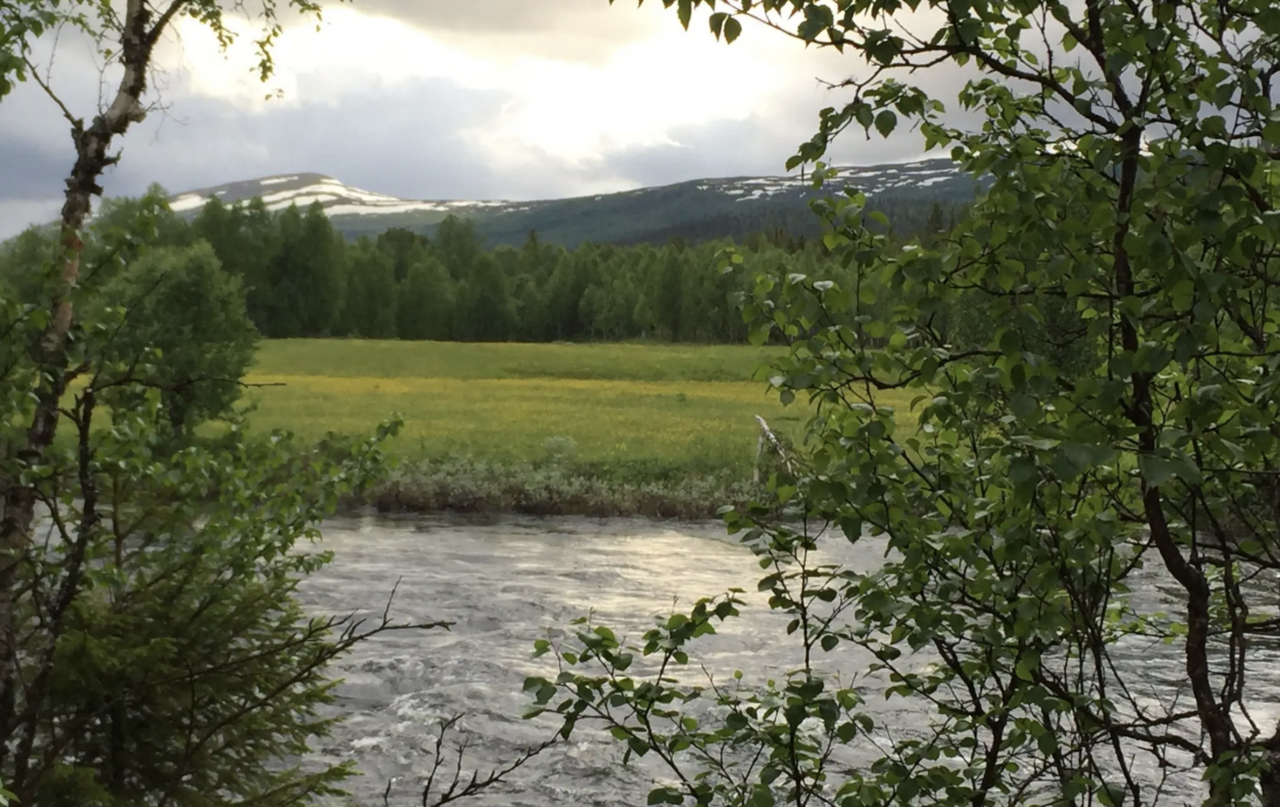
Country reports on policy coherence - Sweden
This report offers a brief overview of the key findings for the case of Sweden, where forestry interests and legislation play an important role in forest restoration. Specifically, it examines coherence at the national level across forest-related policy areas (horizontal coherence) and across national and EU levels (vertical coherence).

Country reports on policy coherence - France
This report offers a brief overview of the key findings for France, where forest restoration is seen as a vital approach to promote climate adaptation and biodiversity protection in forests.
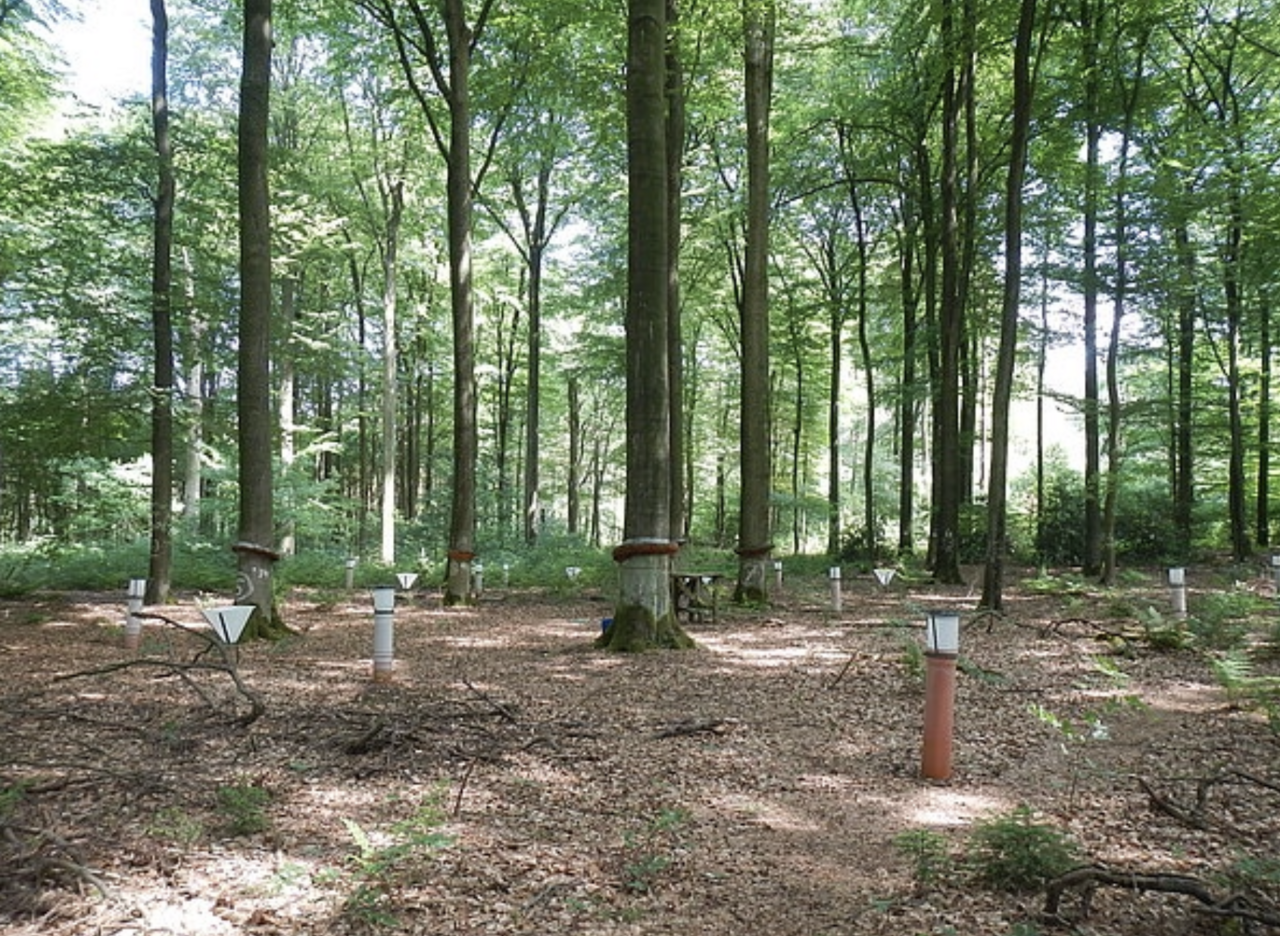
Country reports on policy coherence - Germany
The present report briefly outlines the key findings for the case of Germany, where forest restoration activities have to meet diverse social and political demands.
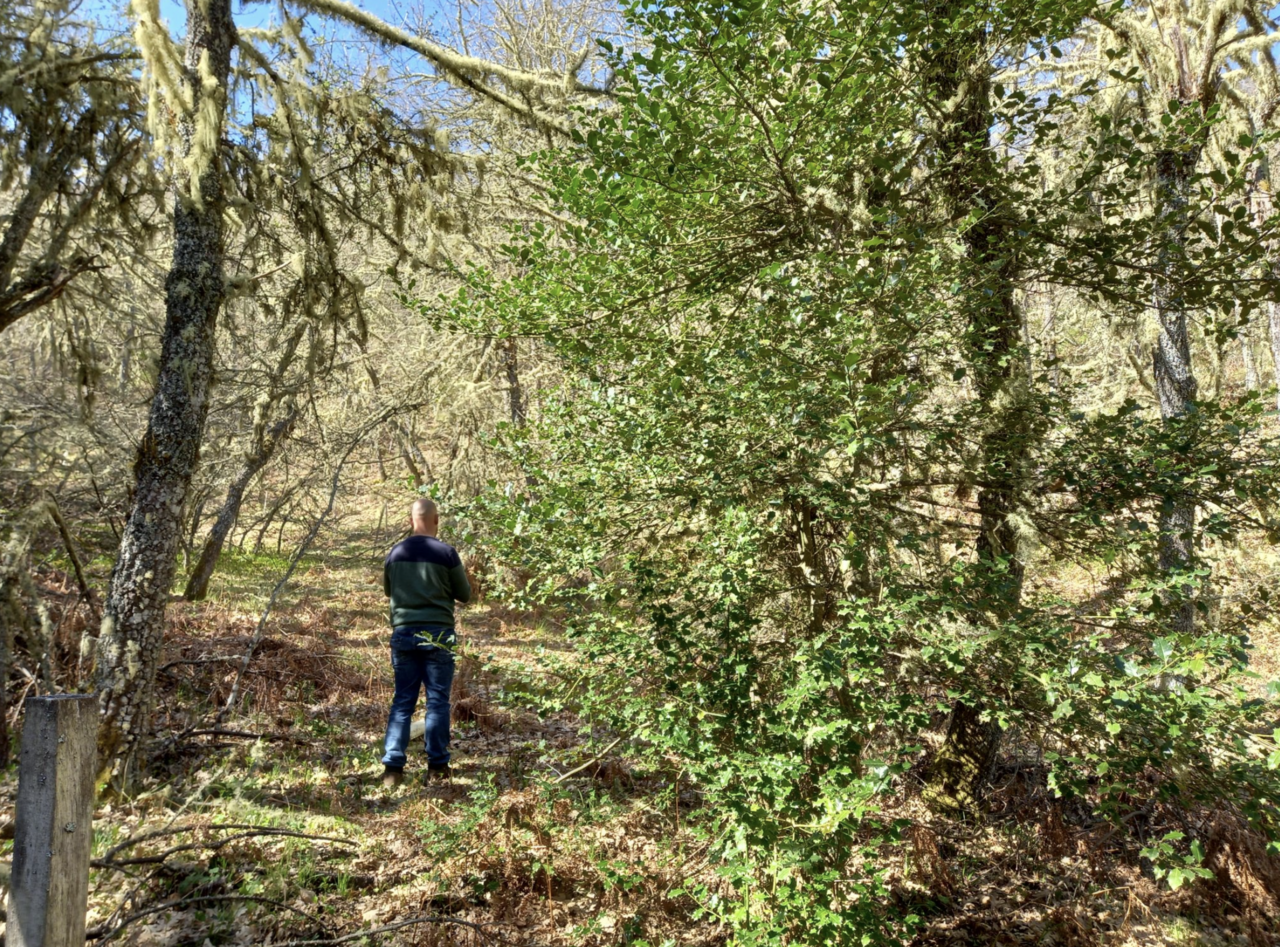
Country reports on policy coherence - Spain
This report briefly presents the key findings for Spain, a country with a long history of forest restoration, where ongoing rural abandonment can serve as both an opportunity and a challenge for forest restoration efforts.

Country reports on policy coherence - Denmark
This report briefly outlines the key findings for Denmark, where forest restoration is seen as a vital approach to promote climate adaptation and biodiversity protection in forests.
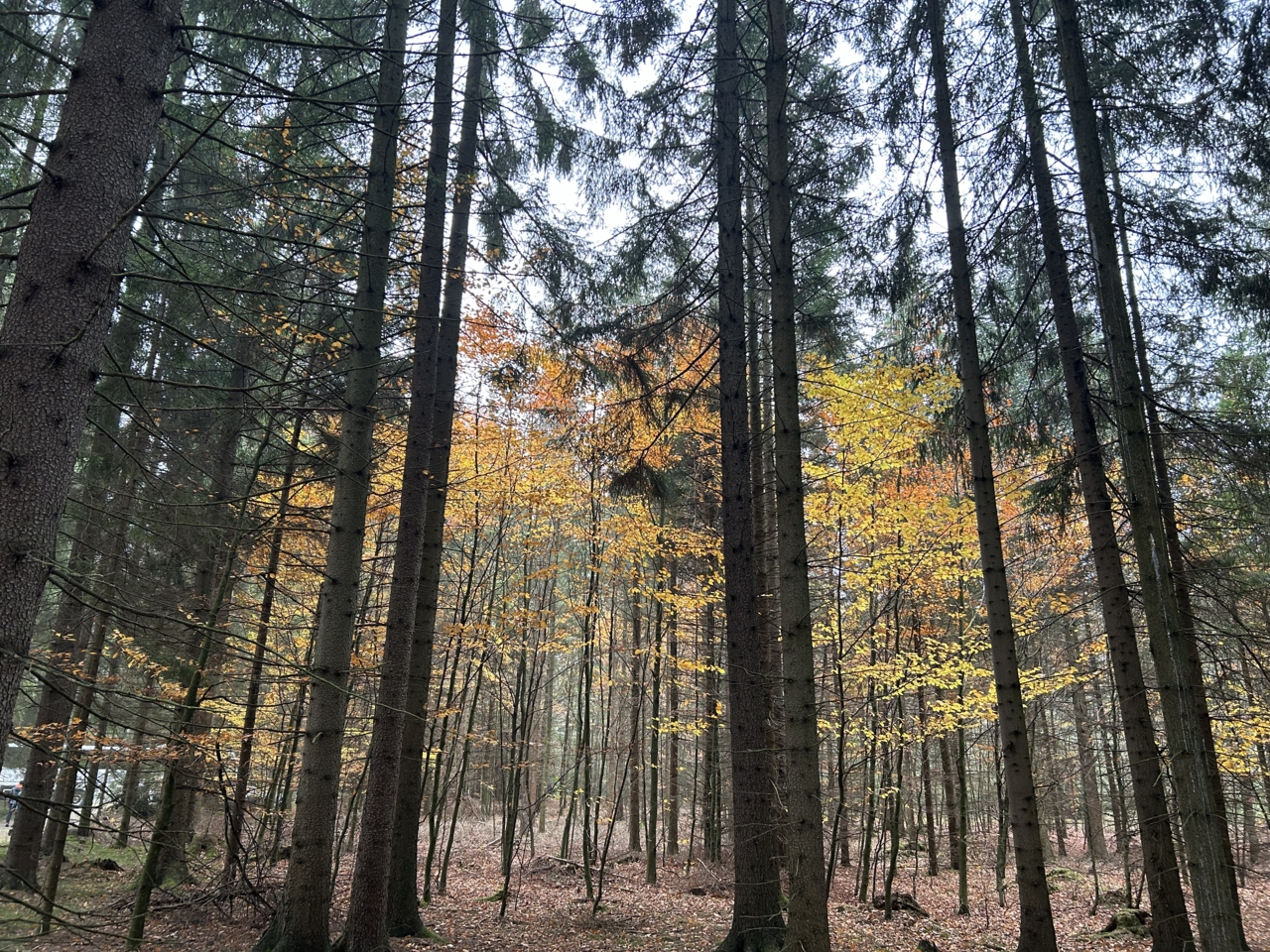
Country reports on policy coherence - Czech Republic
This report offers a brief overview of the key findings for the Czech Republic, where extensive damage has created an urgent need for the restoration of resilient, biodiverse forests.

Country reports on policy coherence - Italy
This report provides a brief overview of the key findings for Italy, where forest restoration efforts in urban areas are a top priority on the political agenda.

Country reports on policy coherence - Romania
This report provides a brief overview of the key findings for Romania, whose remaining old-growth forest have increasingly come into focus of EU environmental policy.
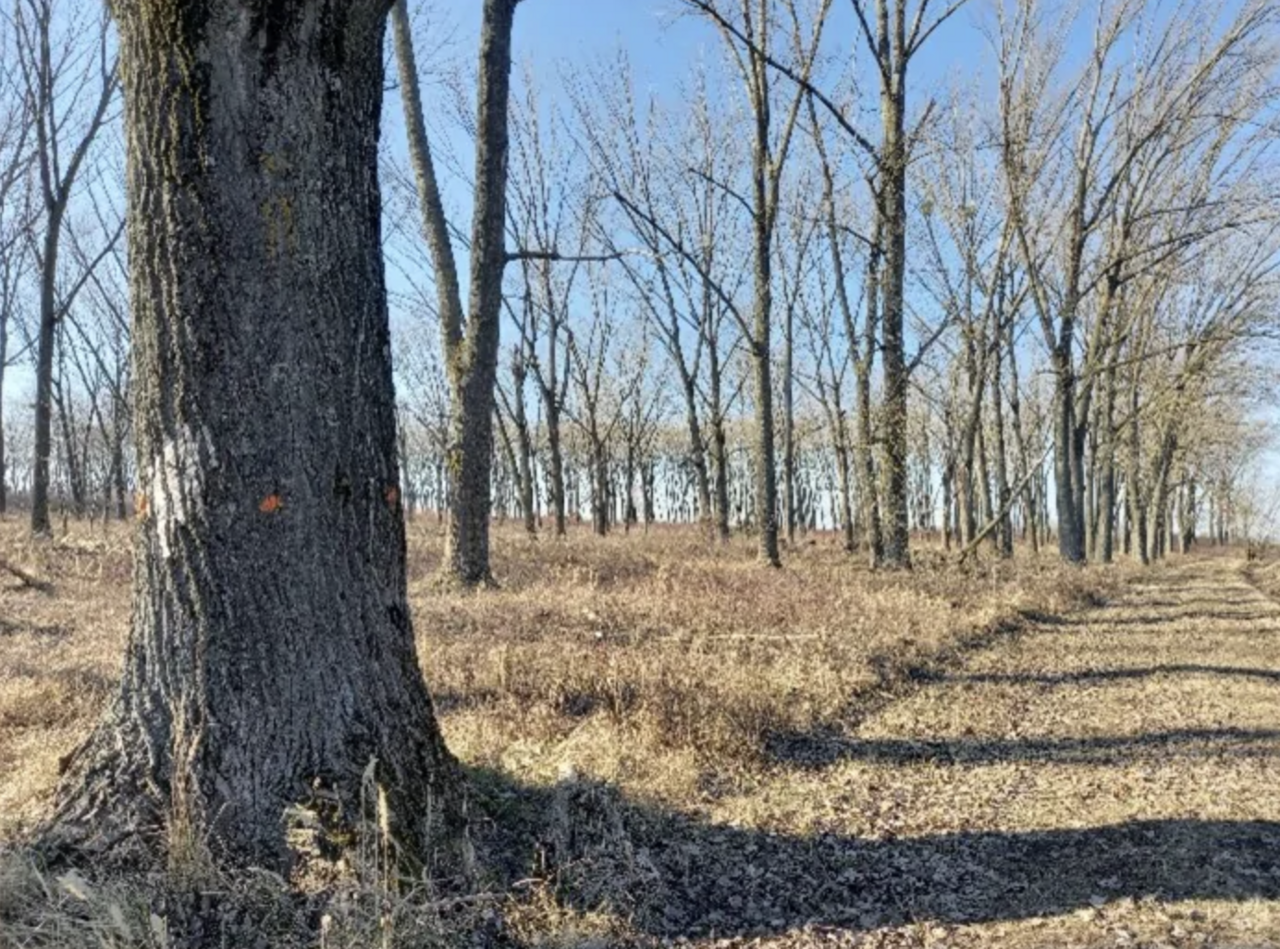
Country reports on policy coherence - Croatia
This report provides a brief overview of the key findings from the policy coherence analysis for Croatia.
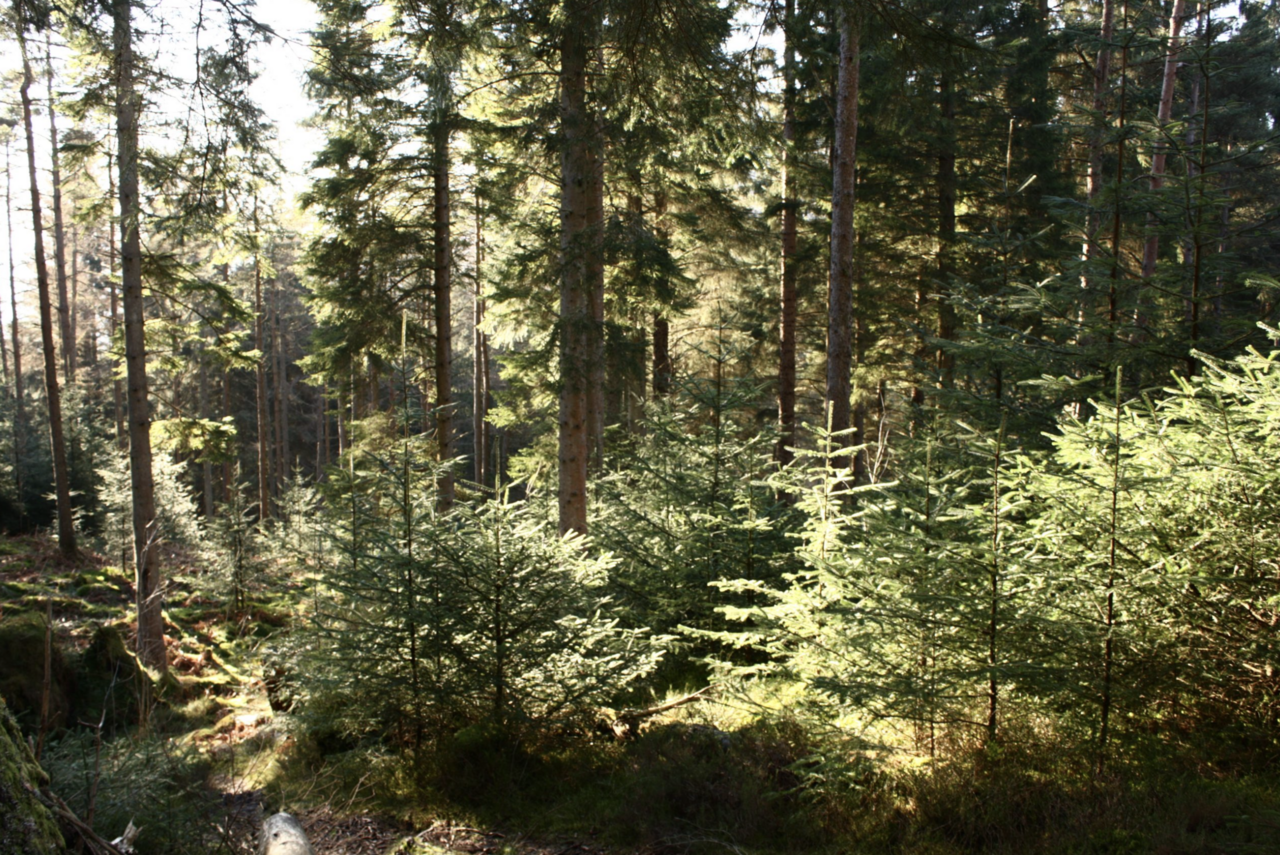
Country reports on policy coherence - Scotland
This report provides a brief overview of the key findings from the policy coherence analysis for Scotland.
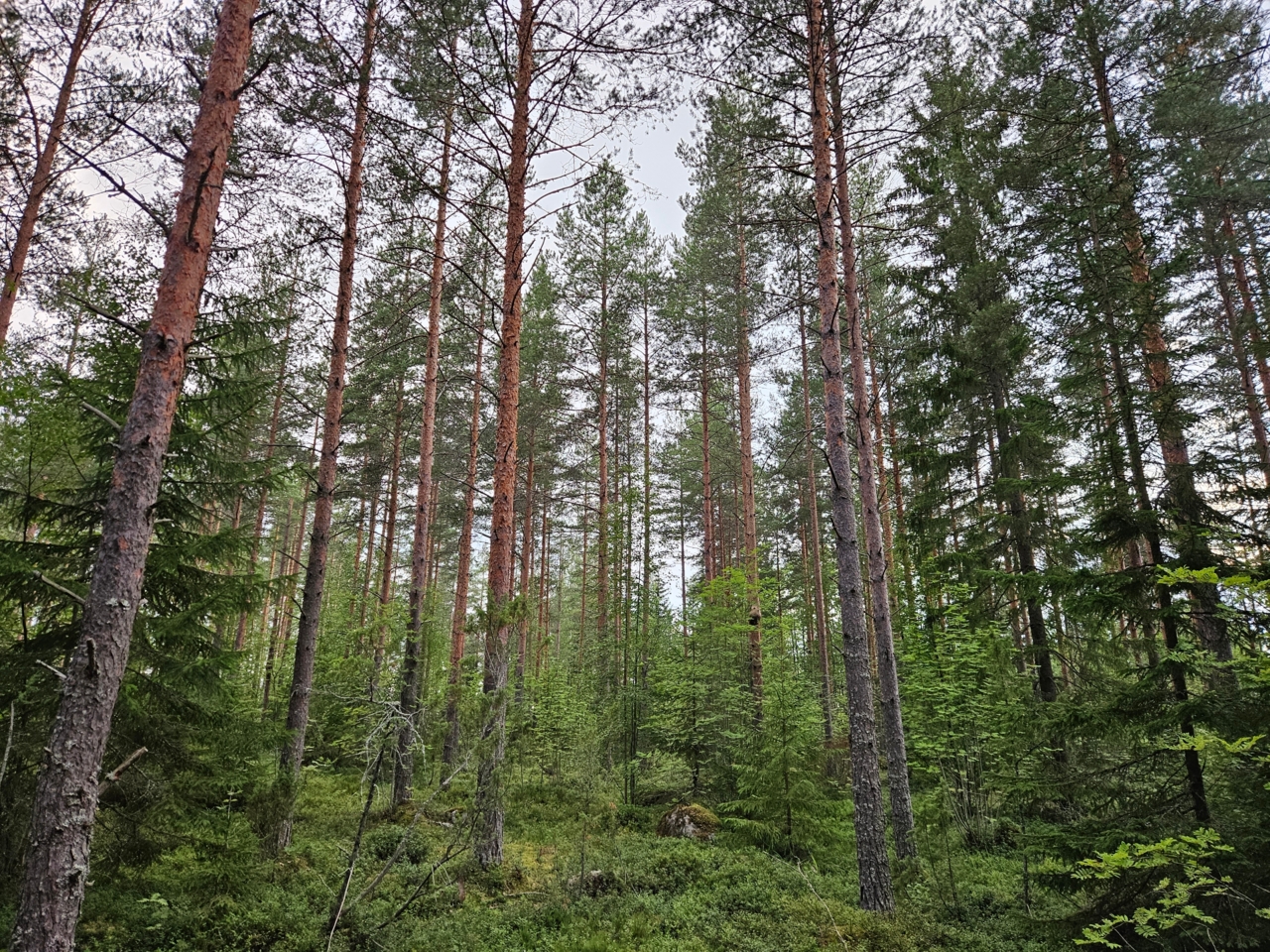
Country reports on policy coherence - Serbia
This report provides a brief overview of the key findings from the policy coherence analysis for Serbia.

Country reports on policy coherence - the Netherlands
This report provides a brief overview of the key findings for the Netherlands, where forest policy is strongly integrated into environmental policy.

EU forest restoration policy coherence
Our findings indicate that while numerous sectoral policies influence forest policy and management across different EU Member States (MS), the majority of instruments originates from nature conservation policy, where the EU and MS share legislative competence. Notably, the recently enacted Nature Restoration Regulation (NRR) introduces strong, legally binding, and directly applicable provisions for forest management across MS.

The implementation of Natura 2000 in Austria—A European policy in a federal system
This study analyses how the EU’s Natura 2000 network has been implemented in Austria. It applies implementation theory to explain delays and differing outcomes across federal states, highlighting the role of administrative capacity, institutional pressures, compliance culture and stakeholder dynamics. Findings reveal three modes of implementation and ongoing challenges to policy coherence.