


Funders / Investors
2.1 Navigating policy frameworks

The global community has committed to halting and reversing biodiversity loss, yet the scale of public investment falls far short of what is needed to achieve these objectives. In policy discussions, it is widely recognized that governments alone are fiscally constrained and cannot fully close the biodiversity investment gap. This creates a clear opportunity for private capital to play a pivotal role in shaping sustainable outcomes. Therefore, national and international policy discussions, e.g. around the implementation of the Nature Restoration Regulation, emphasize the need to upscale private investment in nature. Historically, the most successful mechanisms for attracting private capital have been national mandatory compliance markets, demonstrating that well-structured policy signals can mobilize significant investment flows. Therefore, we can find a great deal of research, innovation and policy discussions across Europe about upscaling nature markets, both voluntary and mandatory. Numerous policies are aiming to upscale private investment in nature. Some focus on creating nature markets both internationally and domestically, and others attempt to incentivize private institutions to invest more in nature for example to address their nature-related risks under mechanisms such as the Taskforce for Nature-related Financial Disclosure, or the EU's corporate sustainability reporting directive. For investors, these developments signal a rapidly expanding landscape of financial opportunities that generate measurable environmental impact, offering pathways to both mitigate risk and create value while contributing to the urgent global goal of biodiversity restoration.
Related resources
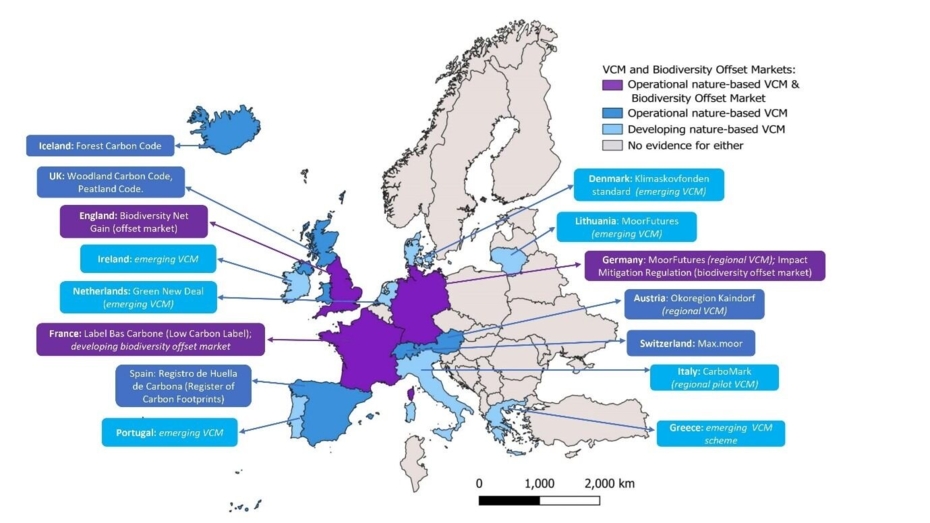
The current state, opportunities and challenges for upscaling private investment in biodiversity in Europe
Opportunities arise from macroeconomic and regulatory changes, along with various technological and financial innovations and growing professional experience. However, persistent barriers to upscaling include the ongoing lack of highly profitable investment opportunities and the multitude of risks facing investors.
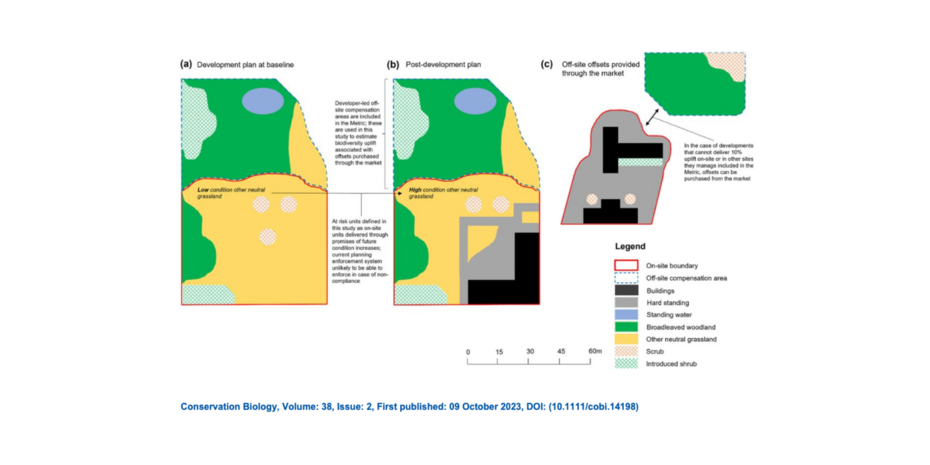
Achieving biodiversity net gain by addressing governance gaps underpinning ecological compensation policies
This study evaluates England’s new biodiversity net gain (BNG) policy. Analyzing major developments from 2020–2022, it finds 27% of biodiversity units at high risk of noncompliance due to governance gaps. Errors in BNG calculations were common, and under-resourced councils often approved flawed plans. Stronger governance and monitoring are needed to ensure policy effectiveness.
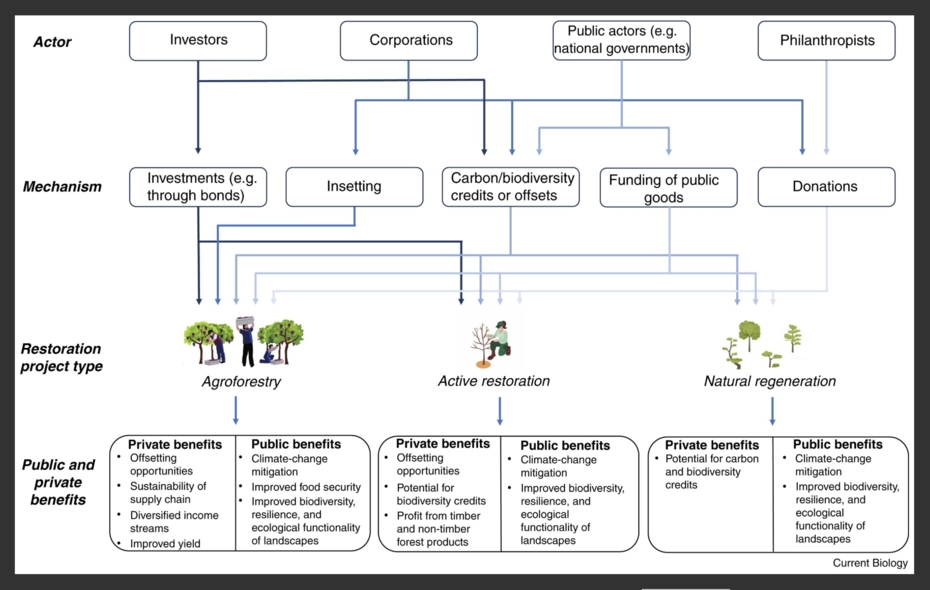
Financing ecosystem restoration
Global ecosystem restoration targets face slow progress, hindered by funding gaps. While public funds dominate, scaling private finance is crucial but limited by lack of profitable investments. Market mechanisms like voluntary carbon and biodiversity offset markets attract private funds but risk misalignment with social and ecological goals. Strong governance and oversight are essential to ensure positive outcomes.