

Integrative Forest Management Guidelines
P1-A1 Deadwood retention
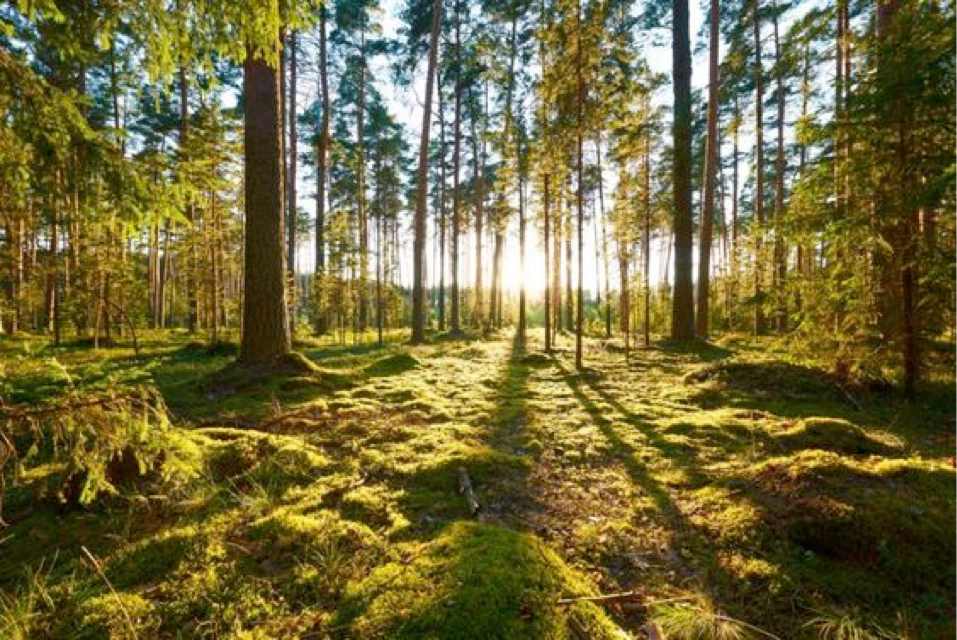
Deadwood is an essential component of forest ecosystems, supporting biodiversity and a range of ecological processes. Maintaining sufficient amounts and a diversity of deadwood types is therefore an important consideration in integrative forest management.
Introduction
Deadwood is an essential structural component of healthy forest ecosystems and provides habitat for a wide range of fungi, insects, birds, mammals, and other organisms. In managed forests, retaining standing dead trees, fallen logs and high stumps maintain biodiversity and supports ecological functions such as nutrient cycling, soil formation, and carbon storage. The ecological value of deadwood depends not only on the amount retained but also on its diversity, including tree species identity, sizes, decay stages, and spatial distribution. To maximize these benefits, a diverse set of deadwood types should be retained across the landscape and over time.