

Integrative Forest Management Guidelines
P3-A4 Maintaining pioneer tree species
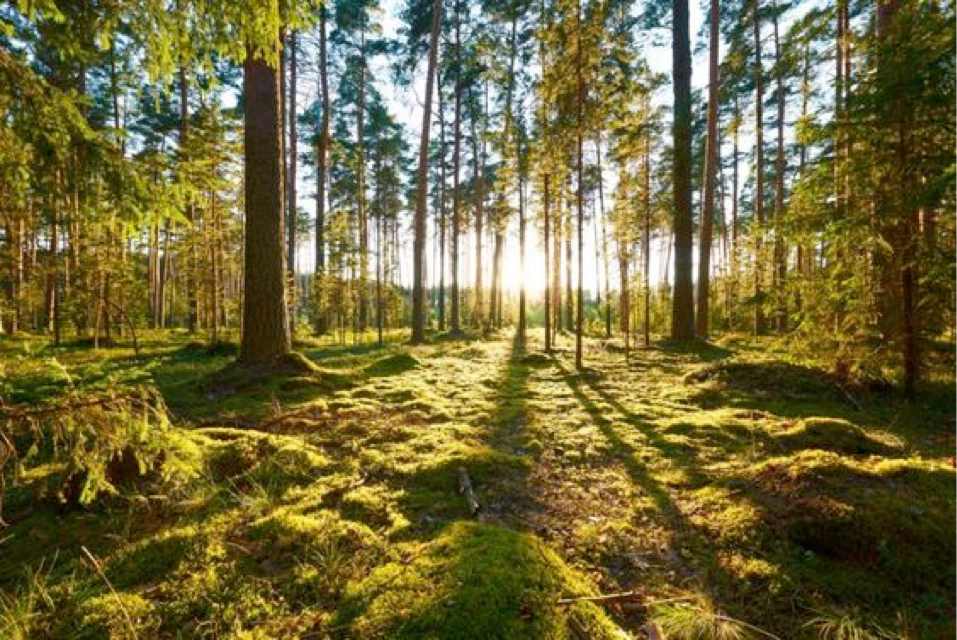
Pioneer tree species provide multiple benefits for forest recovery, biodiversity, habitat provision, and long-term forest resilience.
Introduction
Pioneer tree species are fast-growing, light-demanding species that naturally regenerate in open or disturbed areas and often dominate the initial stages of stand development. They play an important role in forest dynamics following disturbance and can contribute to tree species diversity and forest resistance. Pioneer species also provide habitat and can facilitate the establishment of later-successional tree species. Because fast-growing pioneer species can reach maturity relatively early, they also develop old-growth structures sooner than slower-growing species, aiding the restoration of these features in managed forests. Maintaining pioneer tree species across the landscape depends on the availability of open habitats, nearby seed sources, and management practices that maintain early-successional conditions where appropriate. Integrating pioneer tree species into forest management can therefore contribute to both biodiversity conservation and forest resilience.