

Integrative Forest Management Guidelines
P1-A3 Protection of valuable habitats
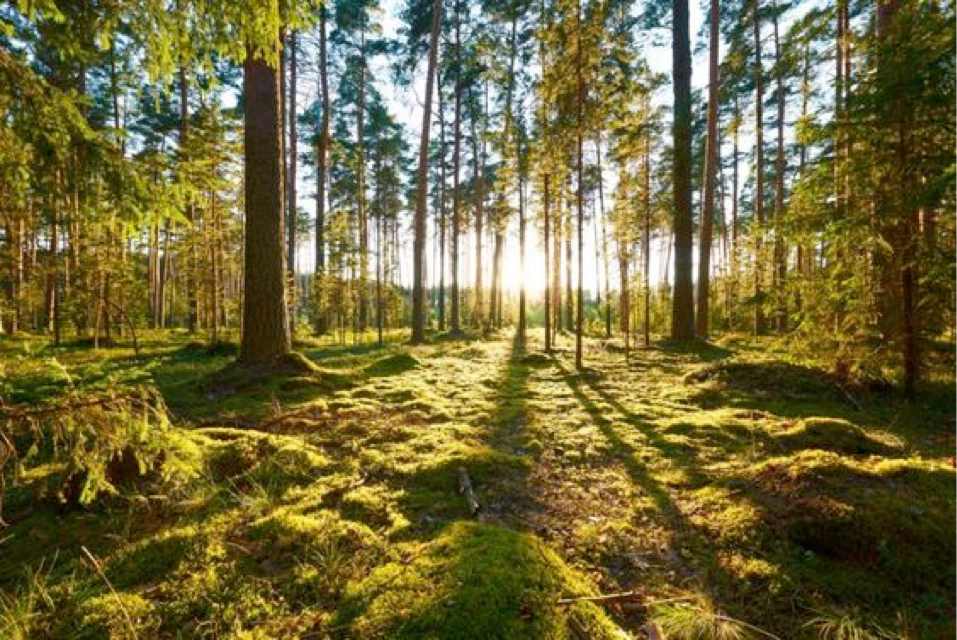
Protection of valuable habitats ensures the long-term conservation of forest areas with particularly high habitat value. Integrative forest management highlights this as a key approach alongside other retention actions across the forest landscape.
Introduction
Protection of valuable habitats involves identifying and conserving forest areas with high conservation value, such as riparian zones, wetlands, old-growth patches, and other sites that provide habitats, breeding sites, and refuges for specialized and threatened species. Although these habitat types often occupy only a small proportion of the forest landscape, they contain disproportionately high levels of biodiversity and important structural elements, including large living trees and deadwood. Protecting these habitats helps maintain landscape connectivity and ecological processes while complementing larger protected areas and other retention practices in managed forests. Successful implementation depends on accurately identifying high-value habitats, minimizing edge effects and disturbance, and integrating them into a connected network of conservation measures across the landscape.