
This is a fully automated machine translation. The quality and accuracy of machine translation can vary from one text to another and between different language pairs. Forest Knowledge Gateway admins do not guarantee the accuracy of the translation and accept no liability for possible errors. Please refer to the original text in its original English version if there is any doubt. Some content (such as images, videos, files, HTML links and acronyms) may not be translated or may be inaccurate due to the technical limitations of the system.

Integrative Forest Management Guidelines
P2-A2 Use of non-native tree species
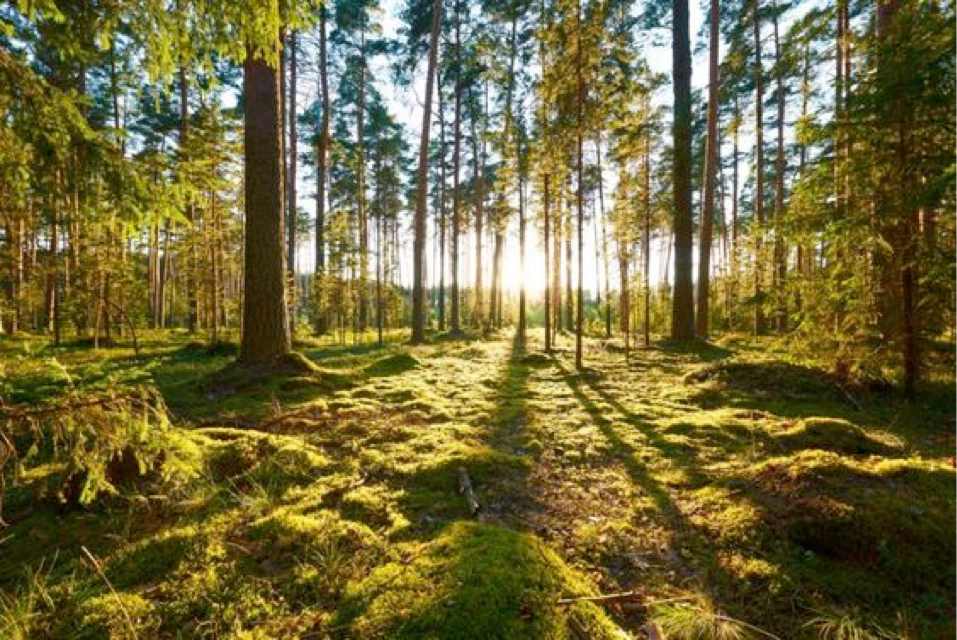
Non-native tree species can complement native forests and support specific management objectives, such as climate change adaptation and timber production.
Introduction
The use of non-native tree species involves introducing tree species outside their natural distribution range to meet specific management objectives, such as climate change adaptation, forest restoration, or timber production. When carefully selected, non-native species can complement native forests by increasing resilience to changing environmental conditions, diversifying forest stands, and providing valuable ecosystem services. Where used, non-native tree species should be grown in mixtures with native tree species and accompanied by appropriate risk management.