

Integrative Forest Management Guidelines
P6-A3 Retaining deadwood during salvage logging
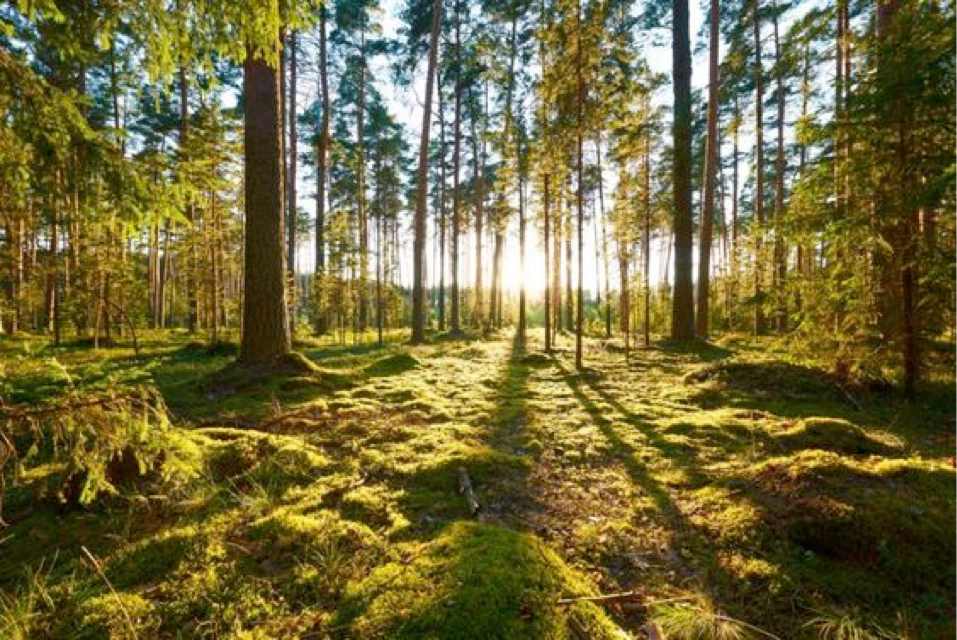
Retaining standing dead trees and lying logs after natural disturbances provides habitat for organisms that depend on dead wood. As the logs decompose, they release nutrients that improve soil functioning.
Introduction
Retaining dead wood during salvage logging involves leaving a substantial proportion of standing and lying dead trees after natural disturbances instead of removing all damaged timber. Dead wood is a key biological legacy that provides habitat for many organisms that depend on decaying wood. Studies show that retained post-disturbance woody debris can release nutrients into the ground thus enhancing biogeochemical sustainability, microbiological processes and soil functioning. Timber recovery should therefore be balanced with retaining sufficient amounts and a variety of both standing and lying dead wood.