

Integrative Forest Management Guidelines
P7-A1 Water retention and protection of watercourses
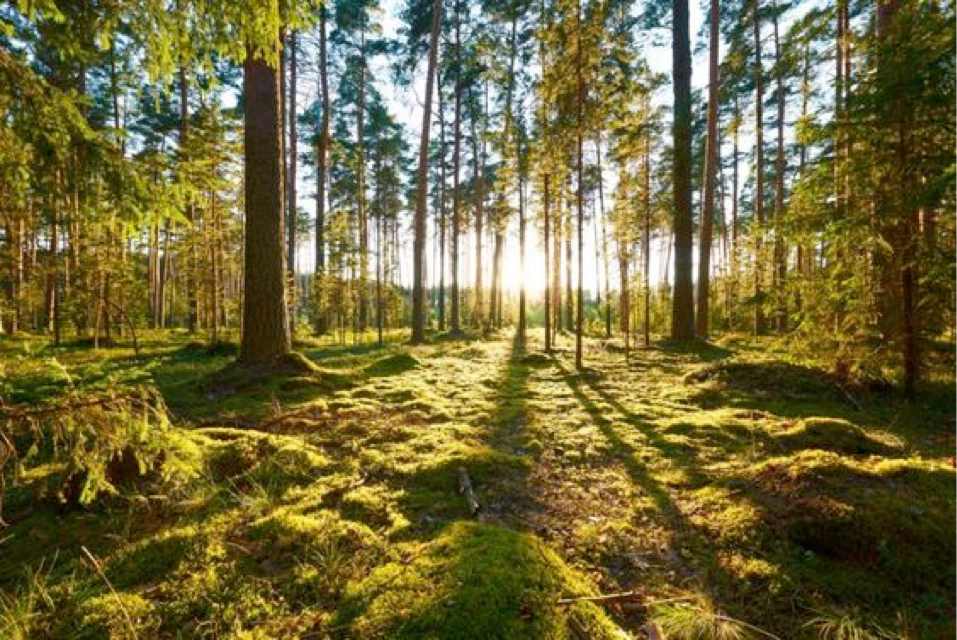
Managing forests at the watershed scale helps maintain natural water flows, protect water quality, reduce flood risk, and improve water availability during dry periods.
Introduction
Forest landscape watershed management means planning forest management at the catchment or watershed scale to maintain natural hydrological processes and protect water resources. Rather than focusing on individual forest stands, it considers how land use and management across the landscape influence water retention, runoff, streamflow and downstream water quality. Maintaining or restoring the landscape's capacity to intercept, retain and slowly release water can help reduce flood risk and improve water availability during dry periods. Effective watershed management requires integrating land-use planning with measures that enhance natural water retention, protect watercourses and riparian areas, and account for the connections between upstream management and downstream impacts across the entire catchment.