

Integrative Forest Management Guidelines
P1-A1 Habitat tree retention
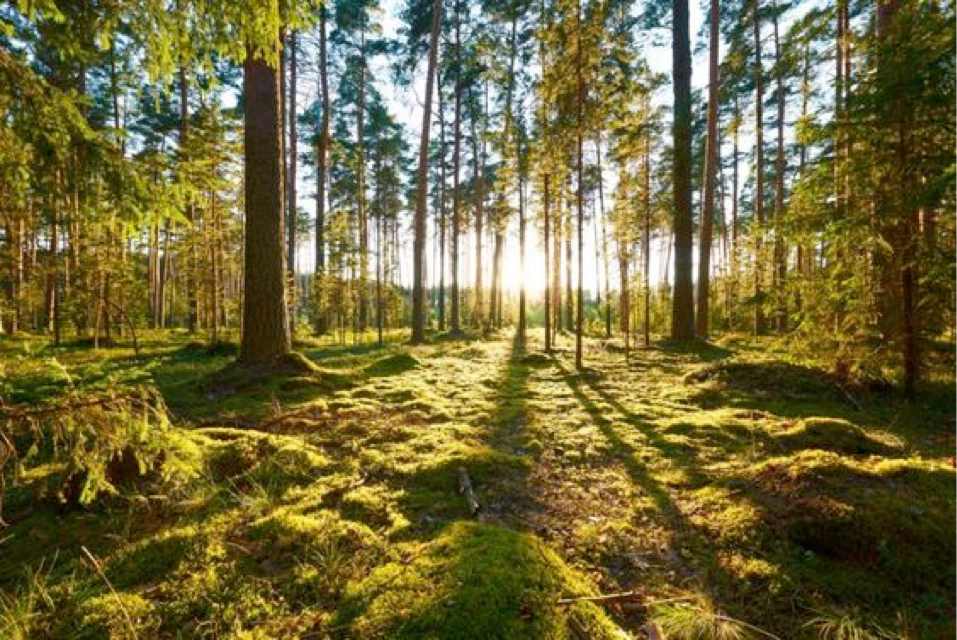
Habitat tree retention involves deliberately retaining living and standing dead trees during harvesting to provide important habitats and ecological functions. Habitat trees help conserve forest biodiversity and contribute to the development of more structurally complex forest stands.
Introduction
Habitat tree retention is the intentional long-term retention of living and standing dead trees during harvesting. Common attributes used for habitat tree selection include old age, large size, cavities, dead branches, and other tree-related microhabitats that provide important habitat for forest-dwelling species. In managed forests, habitat trees help maintain habitat continuity and provide important ecological functions, such as buffering microclimatic extremes and creating favourable conditions for the establishment of some tree species. In otherwise structurally uniform stands, habitat tree retention can promote the development of old-growth characteristics, thereby increasing structural complexity and habitat quality. These benefits can be achieved with only a limited influence on stand production. Successful implementation depends on selecting a diverse set of habitat trees, ensuring their long-term retention, maintaining connectivity across the landscape, and integrating them with other habitat elements, such as deadwood.
III. Scientific articles
| Nº | Title | Author | Year | Focus region | Language | Type | Summary |