

Integrative Forest Management Guidelines
P1-A4 Integration of forest reserves
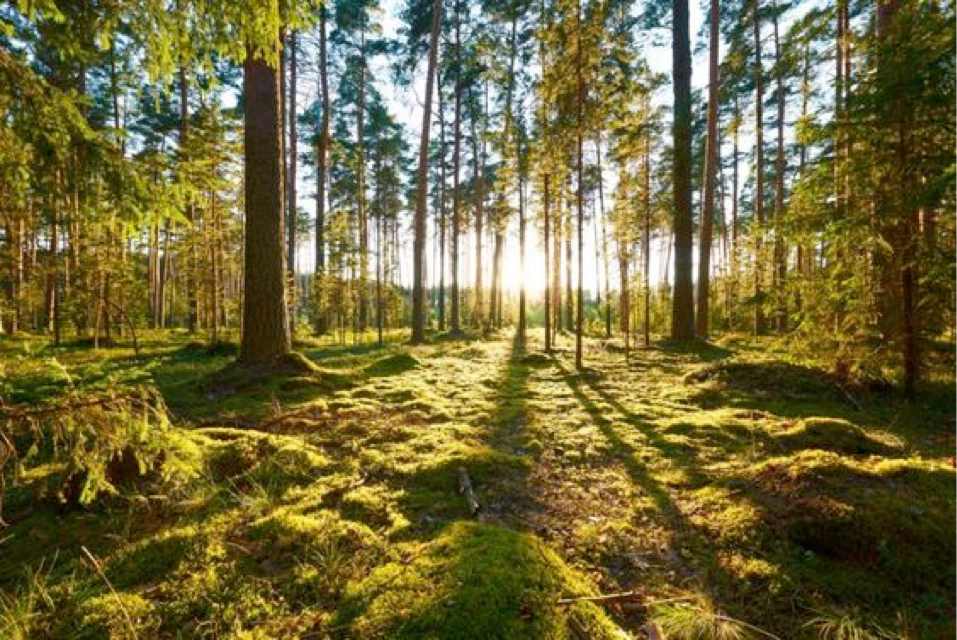
Forest reserves are areas set aside from active management to protect biodiversity and allow natural ecological processes to occur. They provide important habitats while safeguarding ecosystem functions such as carbon storage and water protection.
Introduction
Forest reserves are unmanaged, set-aside forest areas that protect biodiversity and allow ecological functions and processes to occur naturally over the long term. Forest reserves can safeguard natural carbon stocks and carbon accumulation, provide habitat for species that depend on mature and structurally diverse forests, and contribute to the protection of water resources. Protected areas usually harbour structurally diverse forests, which exhibit enhanced resistance and resilience to disturbance. While reserves alone cannot conserve all forest biodiversity, they play an important role alongside sustainable forest management. Successful implementation depends on protecting representative forest ecosystems, maintaining long-term continuity, and allowing natural processes to occur where appropriate.