

Landowners / Practitioners
1.1 What is forest restoration and why it matters

Forest restoration can mean quite a range of things to different people. And varying definitions and concepts are used by politics, researchers and practitioners including nature conservationists. Restoration definitions can be narrower, focusing on natural forest types or some specific restoration approaches, or broader being more flexible or diverse in the goals of restoration and the approaches to reach them.
Generally speaking, restoration means that people actively or passively improve the structure and functions of an ecosystem to enhance biodiversity, make the ecosystem cope better with disturbances like climate change and pests and diseases and improve the provision of different ecosystem services.
Forests are very diverse across Europe, are managed for different purposes and have different values for specific people and society. Also those factors vary that impact forests and may make them less healthy, diverse and hospitable to all the different organisms that naturally live in these forests.
Therefore, the restoration strategies and approaches may differ from region to region. Very often, the diversification of tree species supported or increasing the amount of deadwood – an essential living space for a huge number of forest species. But also reducing or avoiding clear-cuts and heavy machinery may play a role, creating more diverse tree height structures, introducing rare animal species and many things more. In any case, the concrete way of implementing restoration should always be adjusted to the local conditions and circumstances. And this gives the landowner or the person who typically manages a particular forest a special role in setting priorities and adjusting the concrete measures to the local soil and climatic conditions.
Related resources
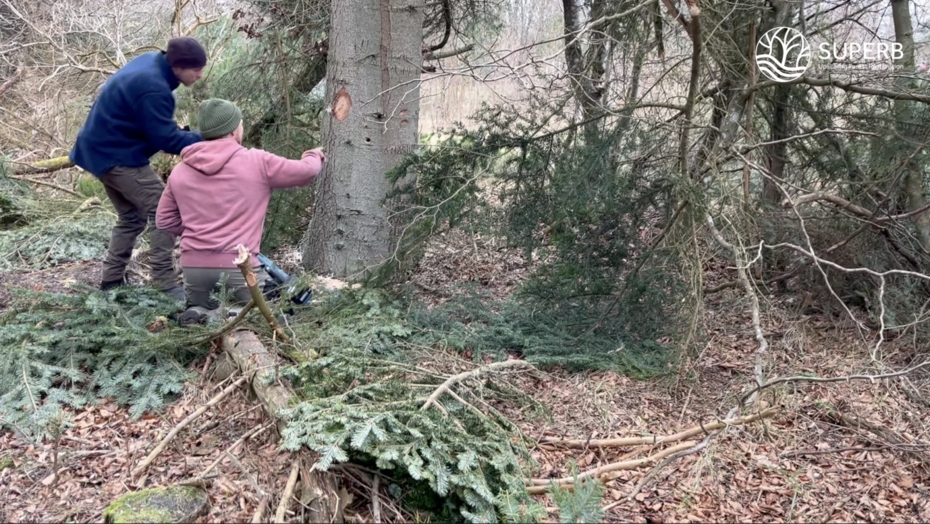
Young Guardians in the Forest
In our demo site in Thy, Denmark, students from Billede School joined the SUPERB project to get hands-on with nature restoration. Led by experts from Naturstyrelsen, the students didn’t just learn about biodiversity in the classroom—they ventured into the forest, rolled up their sleevesand helped to create microhabitats.
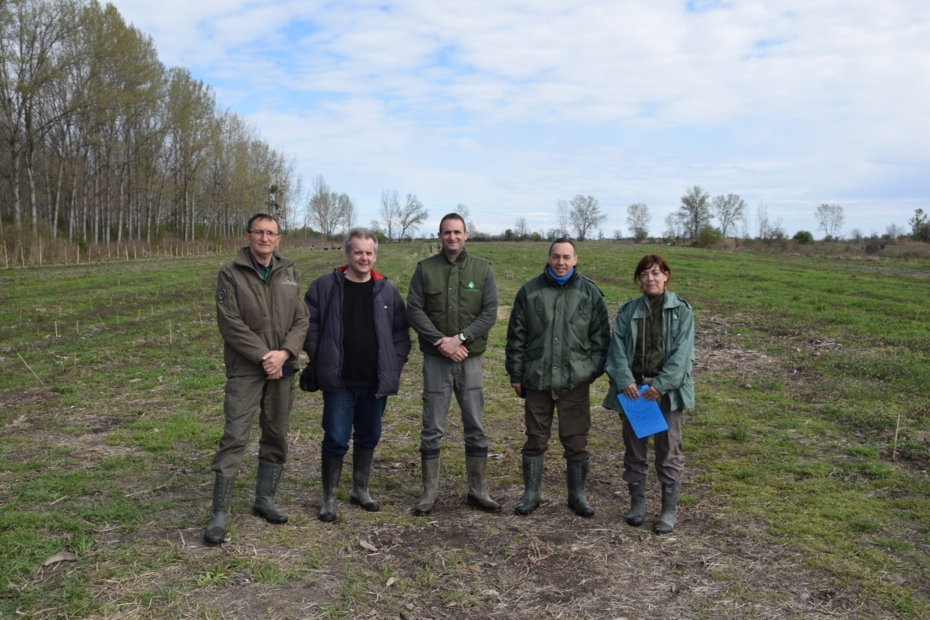
Turning Over a New Leaf
A noteworthy advancement in replanting efforts has been achieved in Serbia’s Gornje Podunavlje Biosphere Reserve as part of the SUPERB project. Learning from past challenges, particularly drought-related failures in establishing Quercus robur stands, the current approach has been adapted for greater success.
The Evolution of Forest Restoration in Europe: A Synthesis for a Step Forward Based on National Expert Knowledge
This paper examined narratives from 32 forest restoration experts in 18 European countries to uncover the history of forest restoration in Europe. The study asked experts to delve into six key areas—social, economic, political, technical, environmental and legal— to understand different drivers that have shaped forest restoration across Europe.