

Landowners / Practitioners
3.1 Lessons learnt from SUPERB demos

Some overall lessons learnt from the 12 SUPERB demos are:
- Forest restoration is a long process, and it requires continued commitment to ensure long-term benefits. Restoration takes time with the planning phase being a very important part of this process in which sufficient time should be taken to save time in later phases.
- Acquiring permits takes time – long processes to get the relevant and needed approvals by authorities.
- Early involvement of stakeholders and clear communication are essential for successful engagement. People are more likely to support restoration when they understand what is being done and see clear benefits for their local community. The SUPERB project showed the importance of good communication with all types of stakeholders: explaining to the public why certain actions are taken, and clearly informing field workers to ensure measures are carried out correctly. Taking enough time for stakeholder engagement also matters, as communities need time to be informed, ask questions, and build trust.
- Diversifying stands can be done in different ways and depends also on goals of the forest. E.g. in France the forest owners want to keep their productive forest and, in this case, hedges are a good option. In other regions continuous cover forestry can work better. Application of forest management that is different or new in comparison to current management brings also a need for more skilled workers.
- To enable upscaling, timely communication with nurseries is essential to secure planting material.
- Planting seasons become shorter due to unfavourable weather conditions, which results in limited time during which planting activities can be carried out.
- High browsing pressure poses a challenge when restoration activities include planting and use of natural regeneration. Application of plant protection measures and materials e.g. fencing are recommended especially in areas with high deer density.
The demos also provide their practically-relevant learnings as Good Practices, a special content type in the Gateway’s Resources section and more demo-related resources are linked below.
Related resources
Forest restoration in practice
Forest restoration workplans describe restoration measures and activities conducted in the various SUPERB demonstration areas. Furthermore, the workplans serve as a handbook, both for the demonstration areas concerned and as a practical guide for future forest restoration efforts more generally across Europe.
Assessment of initial success and restoration efforts
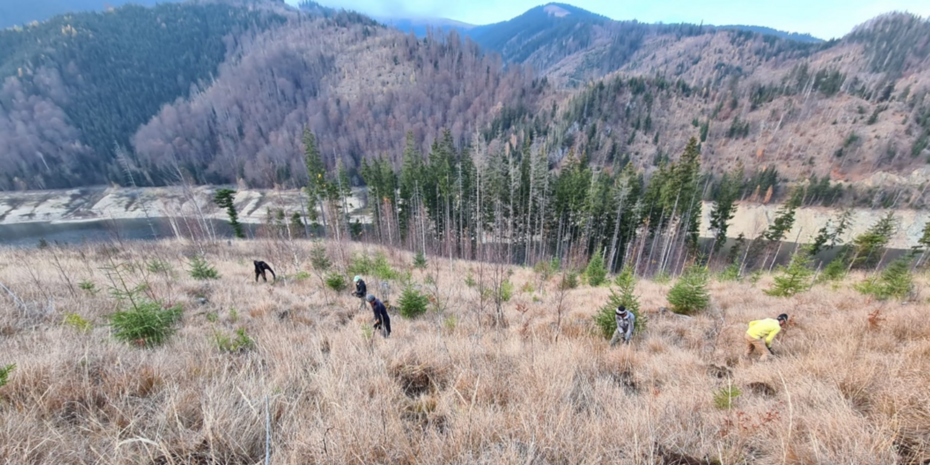
Assessment of initial success and restoration efforts is a monitoring protocol that includes qualitative and quantitative assessment of early stages of restoration success (1-2 years after establishment) and efforts made to achieve a successful restoration.