

Landowners / Practitioners
1.3 Degradation causes and drivers

Forests are vital to life on Earth. They provide clean air and water, store carbon, support biodiversity, provide opportunities for recreation, and offer resources like wood. But when forests become unhealthy or lose their complex structure and ability to function properly, we call this forest degradation.
What causes forest degradation?
Forest degradation can happen for many reasons, often linked to human activity and environmental stress. The main causes include:
- Land use change: When forests are cleared for farming, cities, or roads, the damage is often permanent. This is called deforestation. Deforestation also leads to forest fragmentation, meaning that the exchange and migration of organisms including seeds among remaining forest patches is impaired or not possible.
- Overuse of resources: Cutting too many trees over large areas or letting too many animals graze can permanently impact the forest. Forests may not be able to properly regenerate any more, species may be permanently lost, and soils erode and lose their functionality. This was a widespread cause of degradation of European forests in the past, before most modern forest legislations have been implemented.
- Climate change: Recent human-induced rising temperatures, droughts, and related increasing pest and pathogen outbreaks (including caused by none-native species) weaken trees and make forests more vulnerable. Also, intensity and frequency of dieback by wildfires and storms increases.
- Browsing: High numbers of ungulates cause damage to forest ecosystems through browsing of young trees, with broadleaves more affected than conifers, shifting species composition and structure of tree regeneration in an often-unfavourable way.
- Air pollution: Chemicals like sulfur and nitrogen from factories and farms can damage forest soils, reduce biodiversity, and harm tree health. Although these issues have improved recently, this cause of degradation in European areas with fossil-based industries and intensive livestock farming remains unresolved.
- Poor or unbalanced forest management: Focusing too much on one management goal over large areas like in the case of industrial wood production can create simplified forest structures (monocultures, even-aged stands, short rotations, loss of old-growth patches, loss of open patches, loss of deadwood) and reduce a forest’s ability to support wildlife, store carbon, or provide recreation. Suppressing natural disturbance regimes completely, like in the case of wildfires in Northern Europe, can also lead to a simplification / homogenisation of forest landscapes and the loss of special deadwood habitats.
How can we recognize a degraded forest?
Signs of forest degradation can be seen in the tree layer, the biodiversity and the soil:
- Loss of tree structure and diversity: A degraded forest may have few tree species, a low canopy cover or permanent large gaps in the canopy or also the opposite – an unnaturally high permanent canopy cover, a lack of tree regeneration, a shortage of old and dead trees etc.
- Biodiversity loss: Fewer plant and animal species, especially specialized species (e.g. related to deadwood – about 20-25% of all forest species) and species sensitive to change, often indicate a problem. Biodiversity is an important factor in risk reduction and stability in forests and loss in biodiversity may lead to reduced forest function.
- Reduced function: Degraded forests may produce less wood, show lower levels of nutrient recycling, pollination and water buffering, and be less resilient to change.
- Soil problems: Erosion, compaction, acidity, and low biological activity are all warning signs.
These problems are often connected. For example, poor soil can lead to weaker trees, which are more likely to be damaged by storms, creating a downward spiral of degradation.
Why does it matter?
When forests degrade, the services they provide decline. This can mean:
- Lower wood production due to poor soil health.
- Enormous losses in the whole range of ecosystem service provision due to massive climate change related forest disturbances.
- Loss of biodiversity and scenic beauty in forests that are managed only for timber production.
- Imbalance between different forest uses like focusing too much on production and not enough on recreation or conservation, or vice versa, multifunctional forest with too low wood income or a very low-quality timber stock.
Important, what counts as “degraded” is context-dependent and varies with local needs and expectations. A forest considered healthy in one region may be seen as degraded in another if it no longer fulfils the needs of the people or ecosystems that rely on it.
What can we do?
The good news is that forest degradation isn’t always permanent. With better management, restoration efforts, and action on climate change, we can protect and even restore many of our forests – ensuring they continue to support life for generations to come. See the following chapters.
Related resources
Forest biodiversity in the spotlight
Forest biodiversity is the foundation of forest functioning, the provision of multiple ecosystem services, and the maintenance of forest adaptation and resilience to climate change. This policy brief explores the current status of forest biodiversity in Europe, the key factors affecting it, and how forestry can support its conservation and restoration.
Success from the ground up: Participatory monitoring and forest restoration
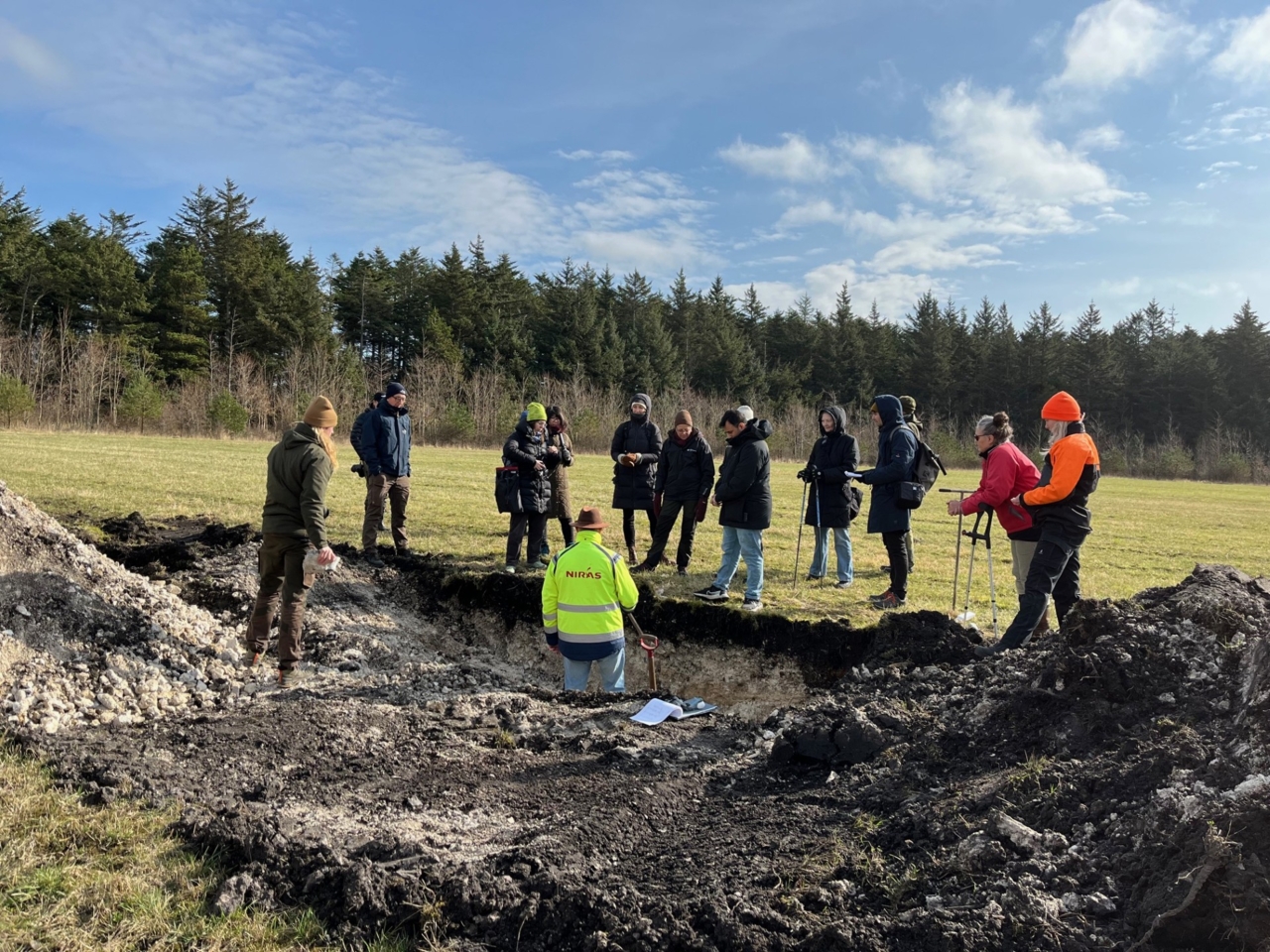
Global forest restoration initiatives offer a critical chance to reverse deforestation and degradation, but success depends on collaboration across stakeholders and strong local involvement. Effective monitoring systems are essential to scale, adapt and track progress, with participatory monitoring emerging as a key tool. This review explores its role through case studies, experiences and concepts, highlighting lessons learned and pathways to enhance restoration outcomes worldwide.
Policy Brief: Common challenges in implementing forest restoration
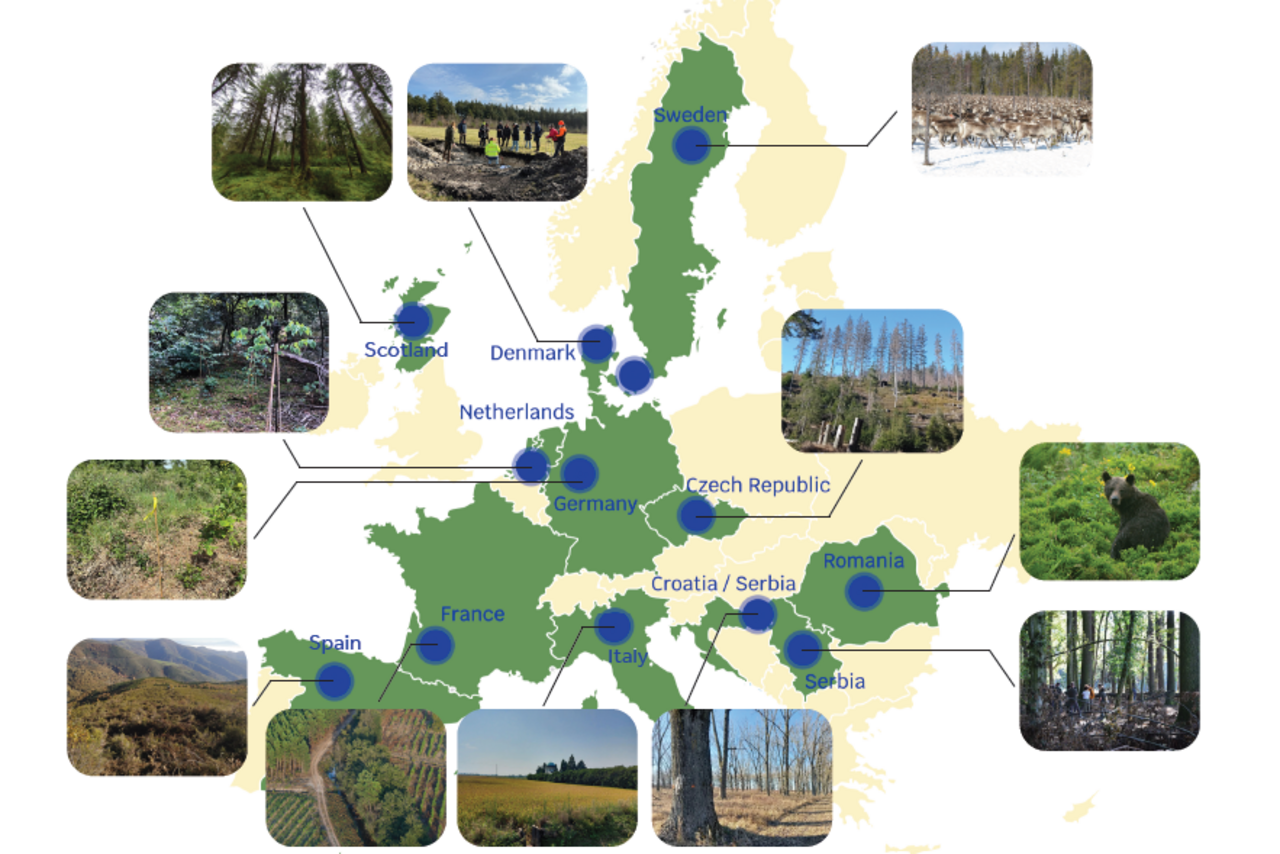
This policy brief synthesises scientific evidence and practical lessons from SUPERB’s 12 large-scale forest restoration initiatives across Europe, offering concrete guidance for policymakers, forest managers, and stakeholders. It frames forest restoration as a long-term, adaptive process requiring sustained funding, stakeholder engagement, and flexible goals. Addressing climate change and rising disturbances, it highlights shared challenges such as browsing pressure, private owner engagement, and limited climate-adapted planting material. The brief delivers actionable recommendations to scale up resilient, future-oriented forest restoration across Europe.
- Implementation
- Monitoring & Projecting
- Social & Stakeholder
- Landowners & Practitioners
- Planners & Implementers
- Policy Actors
- Afforestation, reforestation
- Climate change mitigation
- Natural processes and ecosystem preservation
- Restoration after direct human impact
- Restoration after natural disturbances
- Tree species/functional diversity