

Landowners / Practitioners
2.2 Natural regeneration and browsing control

Forests are dynamic systems that constantly respond to disturbances, whether natural, such as storms, fires, or pest outbreaks, or human-induced, such as harvesting and large-scale felling. After such events, nature often begins its own recovery process, with new trees emerging from seeds or sprouts. This process, known as natural regeneration, can serve as a powerful tool for restoring forests, offering a cost-effective and ecologically sound approach to rebuilding forest cover. For landowners, it means part of the forest can recover without the need to plant every tree manually, saving both time and resources. For practitioners, observing which species successfully establish naturally provides critical insight into which trees are well adapted to current site conditions, and which at least partly might thrive under future climate scenarios.
Natural regeneration, however, is not always a simple process. The species and provenance of regenerating trees will influence the long-term structure, composition, and resilience of the forest. In some cases, the forest may recover along a resilience pathway, regaining its pre-disturbance composition and structure. This may be desirable if the pre-existing forest remains ecologically and economically suitable under projected climate conditions. In these situations, a passive restoration approach—protecting the site, limiting interventions, and allowing nature to take its course—can be the most effective strategy. Attention has to be given in situations, where the pre-disturbance forest state, however, was not resilient due to a very simplified tree composition (monocultures) or when considering temperature shifts under climate change. Here, natural regeneration may not be the right approach to follow.
Natural regeneration may also follow a reassembly pathway, where species composition changes in response to new environmental conditions. Here, the emerging forest may include species that are better adapted to warmer or drier climates. This process provides a unique opportunity to identify species that could be used in assisted migration or species substitution efforts, aligning forest restoration with long-term climate adaptation goals. Similarly, a restructuring pathway can occur, where forest structure shifts—creating uneven-aged or multi-layered stands that enhance biodiversity, stability, and productivity. Over time, even forests initially dominated by monocultures can evolve into more complex, resilient systems.
In cases where natural regeneration occurs along a replacement pathway, both forest structure and species composition may shift dramatically, creating novel ecosystems. While this might seem like a failure to restore the previous forest, it can also be viewed as an opportunity to establish forests that are better suited to future environmental conditions, disturbance regimes, and societal demands. When guided thoughtfully, natural regeneration can provide critical information about species and provenances that perform well in changing conditions, informing targeted planting or species introduction where needed.
However, relying on natural regeneration comes with some challenges. The diversity of the seed source should be kept in mind. If there are very few parental trees of a certain species in the landscape, the genetic diversity of the new generation may be limited and their vitality and adaptive capacity reduced. A rough guidance can be the minimum number of 20 parental trees for an acceptable genetic diversity.
Excessive browsing by deer and other herbivores is a widespread problem and can significantly affect the success of regenerating seedlings. Deer typically browse selectively on some species over others, mostly preferring broadleaved species. This results in a different forest composition than intended, potentially favouring less-desirable species or slowing biomass development. Careful monitoring and management are essential to ensure that young trees survive and develop in the desired composition. Protective measures such as fencing, tree shelters, or targeted management of herbivore populations may be necessary to achieve restoration goals.
Ultimately, if well managed and monitored, natural regeneration offers a flexible, adaptive approach to forest restoration. By observing and supporting the species that naturally establish, landowners and practitioners can create forests that are productive, resilient, and ecologically diverse. Combining natural regrowth with careful interventions—such as the introduction of new species or protective measures against browsing—ensures that restoration efforts not only recover forest cover but also build ecosystems capable of thriving in a changing climate.
Related resources
Restoration Practices Knowledge Base
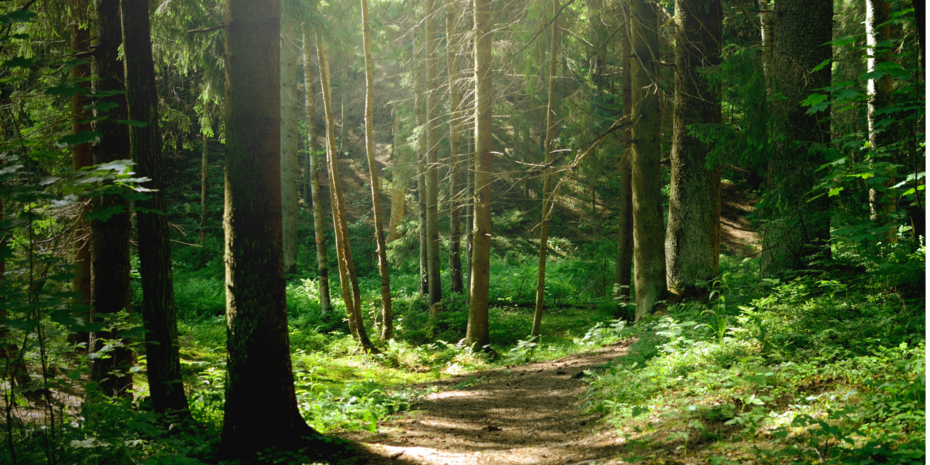
Overview of restoration practices and database of different types of resources to support forest restoration practitioners across Europe. It compiles technical guidelines, textbooks and scientific articles and reviews that provide guidance on specific restoration practices.
Use of natural succession and pioneer tree species for the restoration of forests after large-scale bark beetle outbreaks
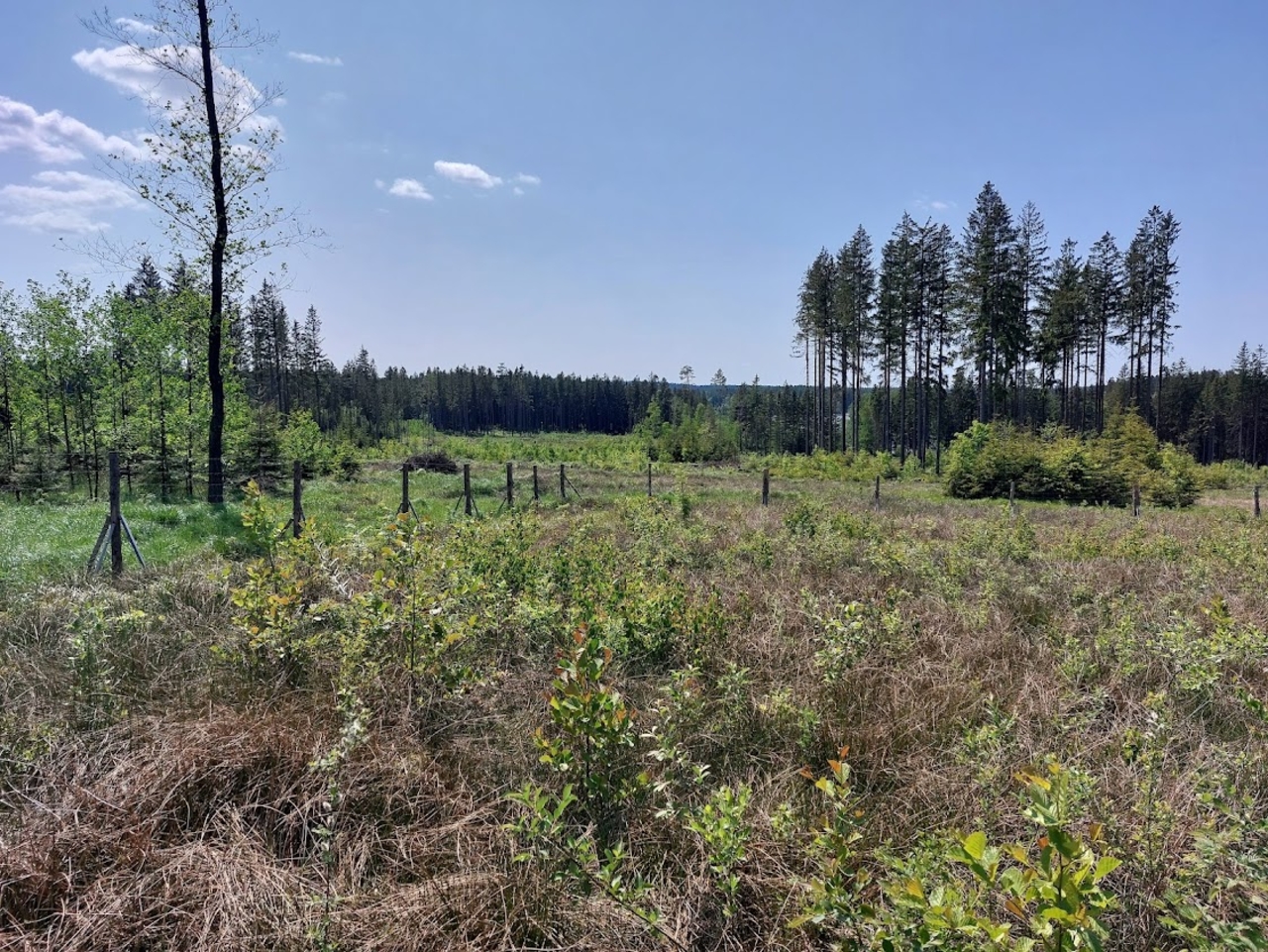
Forest restoration efforts following large-scale bark beetle outbreaks aim to replace degraded spruce monocultures with more diverse, resilient stands that are better adapted to changing climate conditions. The use of natural succession and pioneer tree species represents a key tool for restoring areas affected by extensive disturbances. Successful implementation requires assessment of the natural regeneration potential, taking into account both the local site conditions and long-term management objectives. This good practice methodology presents solutions to address specific challenges associated with large-scale calamity clearings. These include microclimatic harshness that limits the use of certain tree species, potential shortages of planting material and constraints in establishing structurally complex forests.
Policy Brief: Common challenges in implementing forest restoration
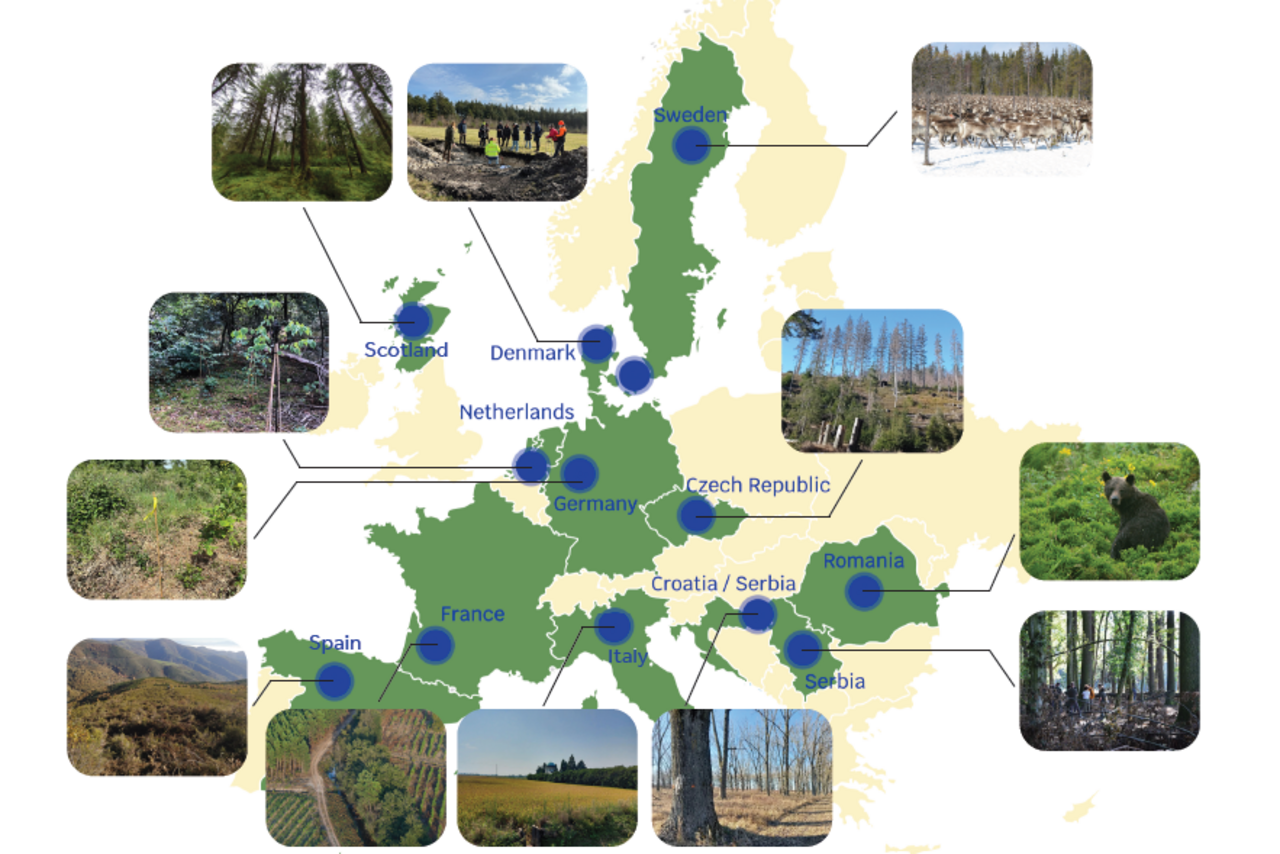
This policy brief synthesises scientific evidence and practical lessons from SUPERB’s 12 large-scale forest restoration initiatives across Europe, offering concrete guidance for policymakers, forest managers, and stakeholders. It frames forest restoration as a long-term, adaptive process requiring sustained funding, stakeholder engagement, and flexible goals. Addressing climate change and rising disturbances, it highlights shared challenges such as browsing pressure, private owner engagement, and limited climate-adapted planting material. The brief delivers actionable recommendations to scale up resilient, future-oriented forest restoration across Europe.
- Implementation
- Monitoring & Projecting
- Social & Stakeholder
- Landowners & Practitioners
- Planners & Implementers
- Policy Actors
- Afforestation, reforestation
- Climate change mitigation
- Natural processes and ecosystem preservation
- Restoration after direct human impact
- Restoration after natural disturbances
- Tree species/functional diversity