

Landowners / Practitioners
2.4 Deadwood, Veteranisation

Deadwood dependent species occur in many species groups, including insects, fungi, lichens, mosses as well as some bird and mammal species. It is well established that as a single resource, dead trees are the most important for forest biodiversity. Hence, forest management that includes concern for biodiversity must provide both sufficient quantity and quality of dead wood. Under natural conditions a rule of thumb is that about 20% of the total wood volume in a stand is composed of dead trees. In most managed forests the levels are generally much lower. Reaching natural levels in practice may be difficult, but much can be done even with lower levels if the quality aspects are considered.
A primary factor to consider is standing and downed deadwood as it represents two distinctly different resources. Some tree species, or special resin-impregnated trees, can stand as dead trees, snags, for long periods of time over which different species utilize the resource during different stages. Some live directly on the bark (e.g., lichens) and in the area between the bark and the wood (e.g., insects and fungi) of recently dead trees while others colonize the bare tree surface after the bark has fallen off. This community is then more or less completely replaced by other species when the snag eventually falls. The time a snag stands varies enormously between different tree species and their life history, but to the extent possible it is valuable to protect snags from falling.
Different tree species have - due to their different bark and wood qualities - distinctly different species communities also after their death. The content of different chemical constituents is one factor but also the growth rate of the living tree has a clear impact. The decay rate also varies highly among different tree species and with suitable conditions for associated species changing over time. Hence, management should target to include representation of all typical tree species also as deadwood.
Other factors of importance are the size of the deadwood and its position on the ground. Obviously, larger stems take longer time to decay and provide habitats for longer periods of time. Also, larger stems are less prone to being overgrown by ground vegetation compared to smaller stems. There is also evidence that some species are directly influenced by the stem size and in particular larger stems often host a richer community of rare and threatened species.
A more challenging aspect for management is that different decay stages host widely different communities of species. Although it is possible to provide fresh dead wood, decay takes time often involving decades of change. Hence, protecting decayed dead trees during management operations is crucial, but in case of actively adding dead wood it may be advised to also distribute this over time rather than providing a larger volume at single time.
The term veteranisation relates to a situation when management targets to create either stands or individual trees with characteristics for biologically old conditions. At stand level, this mainly includes deliberately killing or felling trees. For individual living trees this can include damaging bark to either slow growth rate or to allow certain species to colonize trees when still alive. It is also possible to introduce species, in particular wood root fungi, by inoculating them in living trees. These approaches do support a rich community of dead wood species but obviously need to be done at a level that does not risk impacting the overall health of the forest stand. Some bark beetles and fungi represent pest species and while being a natural component in forests, large amounts of fresh dead wood can trigger outbreaks.
If actions to increase dead wood are considered, it is advice to carefully select which trees to target. Already damaged trees, or trees with lower commercial value could well be prioritized. This does not only relate to limit economical loss but also that these trees often are more valuable for biodiversity – being already habitat trees (see section 2.5).
Related resources
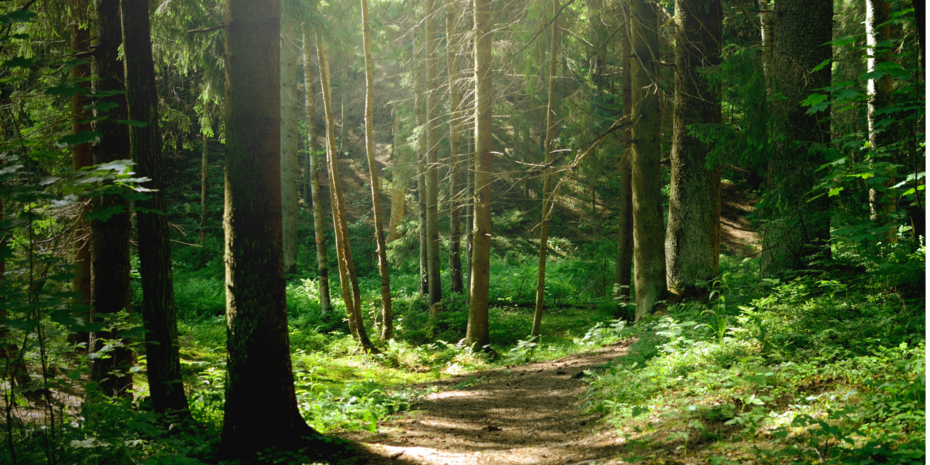
Restoration Practices Knowledge Base
Overview of restoration practices and database of different types of resources to support forest restoration practitioners across Europe. It compiles technical guidelines, textbooks and scientific articles and reviews that provide guidance on specific restoration practices.
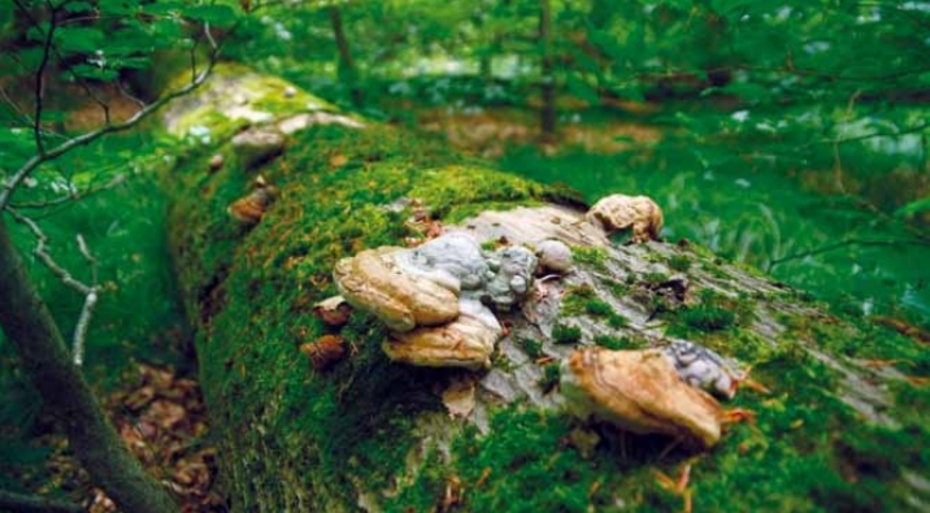
Integrative approaches as an opportunity for the conservation of forest biodiversity
The Integrate project final report by the European Forest Institute’s Central European Office presents research on integrating biodiversity conservation into forest management. It analyzes forestry impacts, trade-offs, and multifunctional forests, offering cross-border scientific and practitioner insights to support informed policy and practical decisions in Central Europe.
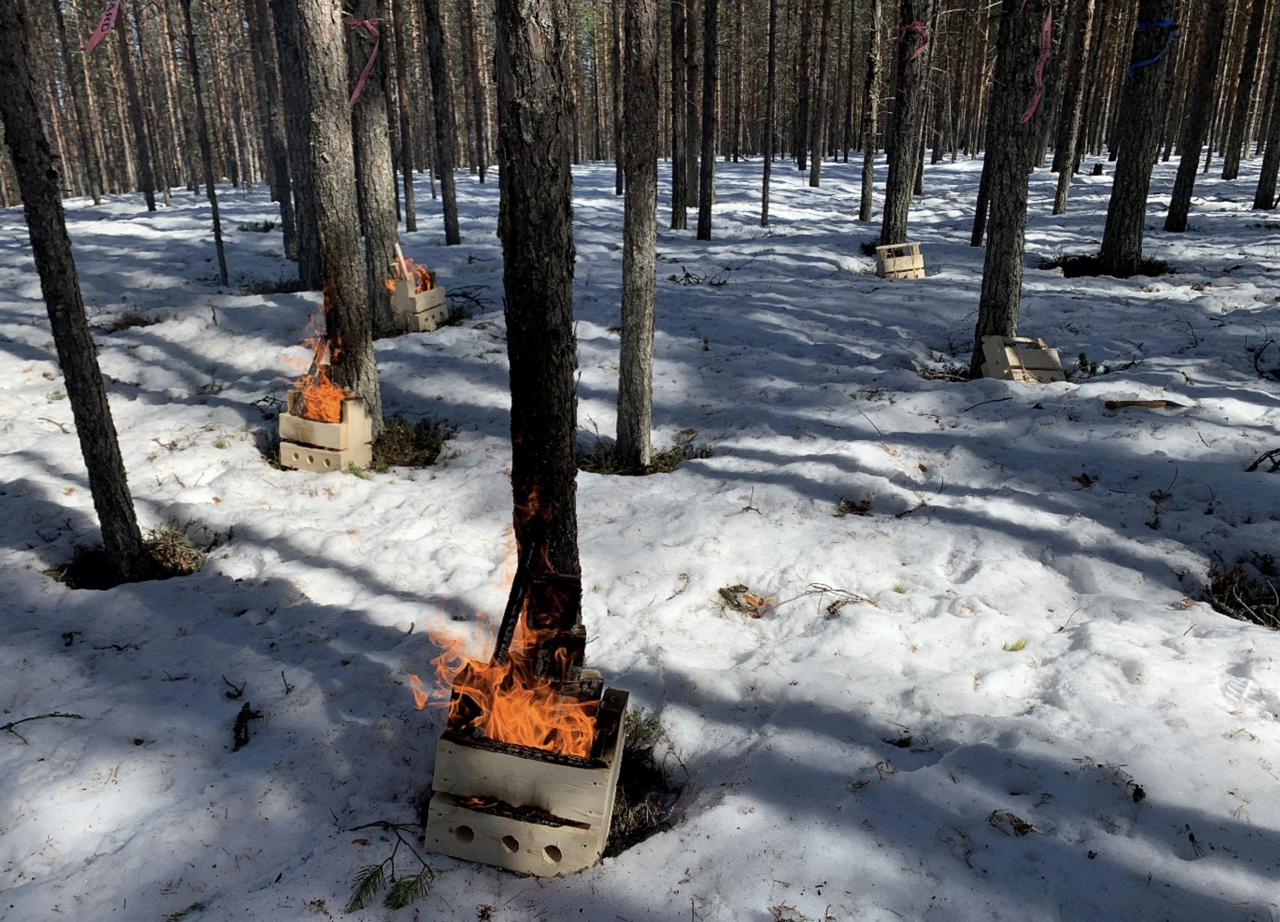
Fire mimicking measures
Fire is a natural disturbance in the boreal forest. Today, when wild forest fires are effectively supressed, many species that are dependent on burned forest are threatened. To improve the conditions for these species, conservation burnings might be used. However, conservation burning is not possible everywhere. Instead, fire mimicking measures are often adopted, with the aim of substituting some of the effects of a natural wild fire, such as the development of deadwood in general and in particular so called "Kelo"-trees, i.e. very hard and durable dead pine wood, sparse pine dominated stands or deciduous dominated stands.