
Landowners / Practitioners
1. Understanding restoration needs and challenges of climate change

1.1 What is forest restoration and why it matters
Restoration means that people actively or passively improve the structure and functions of an ecosystem to enhance diversity of all plant and animal species, make the ecosystem cope better with disturbances like climate change and pests and diseases and improve the provision of different ecosystem services.
1.2 What is forward-looking restoration and why adaptation is essential
Forward-looking restoration means getting forests ready for the future, instead of trying to make them exactly like they were in the past. Climate change, new types and intensities of disturbances, and growing pressure from human land use are changing how ecosystems work. Because of this, restoration should focus on creating forests that are healthy and flexible (resilient and adaptable), and continue to provide benefits that people and nature need. When planning restoration, it is important to think about what the climate and environment may be like in the future, not just what they are like now or what they used to be. This can mean choosing tree species that are more likely to survive and grow well under future conditions. Because we cannot be certain about what the future will bring, forest restoration and management need to be adaptable and open to change, so they can continue to support nature and society in a changing world.
1.3 Degradation causes and drivers
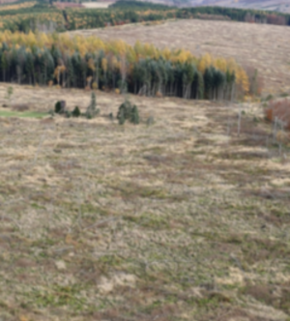
When forests become unhealthy or lose their complex structure and ability to function properly, we call this forest degradation.
1.4 Restoration goals and methods
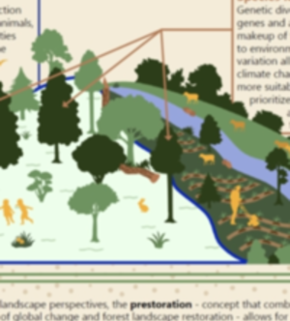
Forest restoration helps bring back what damaged forests have lost and prepares them for future challenges like climate change. Clear goals, based on a reference ecosystem and stakeholder input, guide the process. Practical methods, such as choosing the right trees and caring for them, are used to improve the forest. Regular checks help make sure actions stay effective over time and the forest is recovering as planned.